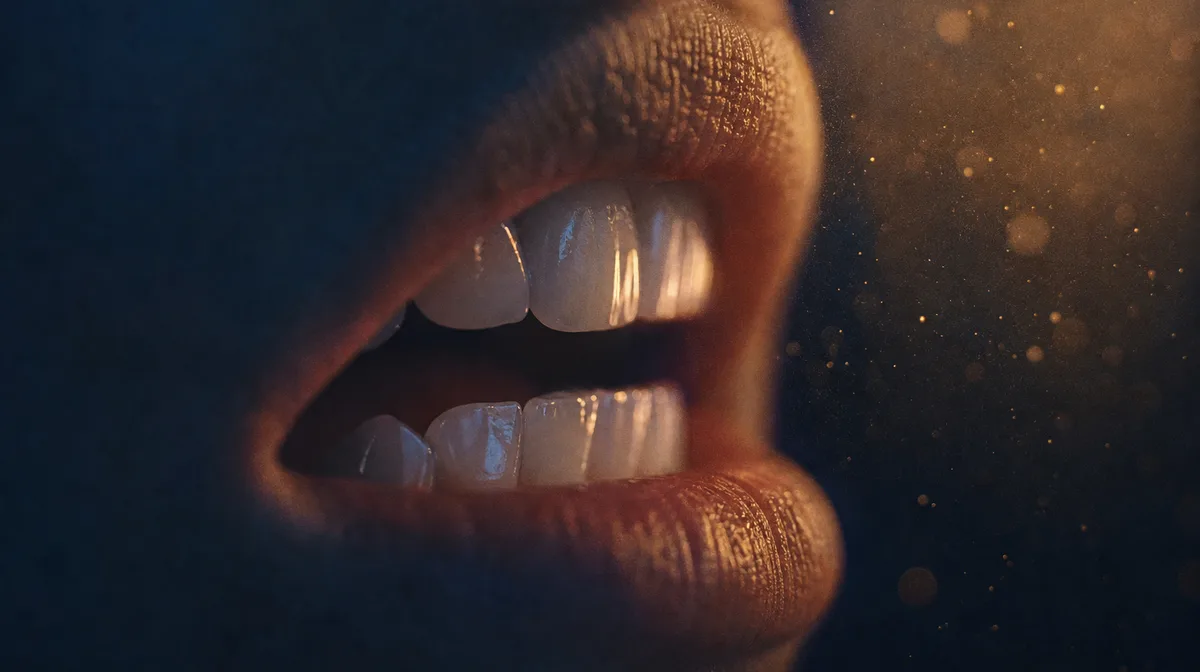
Dreams about teeth falling out are a common and often unsettling experience. These dreams typically involve a sense of helplessness as teeth crumble and dislodge, leading to heightened anxiety upon waking. While interpretations vary, these nocturnal events are frequently linked to underlying emotional and psychological processes.
Key takeaways
- Dreams about teeth falling out usually symbolize a perceived loss or threat to self-image.
- Stress and anxiety can intensify dream imagery, causing even neutral symbols to become negative.
- Dreams can represent abstract fears like losing control or status, not necessarily tangible losses.
- Oral health concerns sometimes appear in dreams, possibly due to increased awareness of dental issues.
- Dreams about losing teeth can reflect difficulties in expressing oneself or communicating effectively.
What Do Dreams About Teeth Falling Out Symbolize?
Teeth, as strong and enduring structures, often represent stability, confidence, and self-image in dream symbolism. When they fall out, it generally signals a perceived loss or threat to these core aspects of a person’s being. It is crucial to understand that these dreams are rarely literal premonitions; instead, they function as metaphorical representations of internal states. The brain uses vivid imagery to process complex emotions and experiences, and the symbolic nature of teeth makes them a common element in these narratives.
The Role of Stress and Anxiety
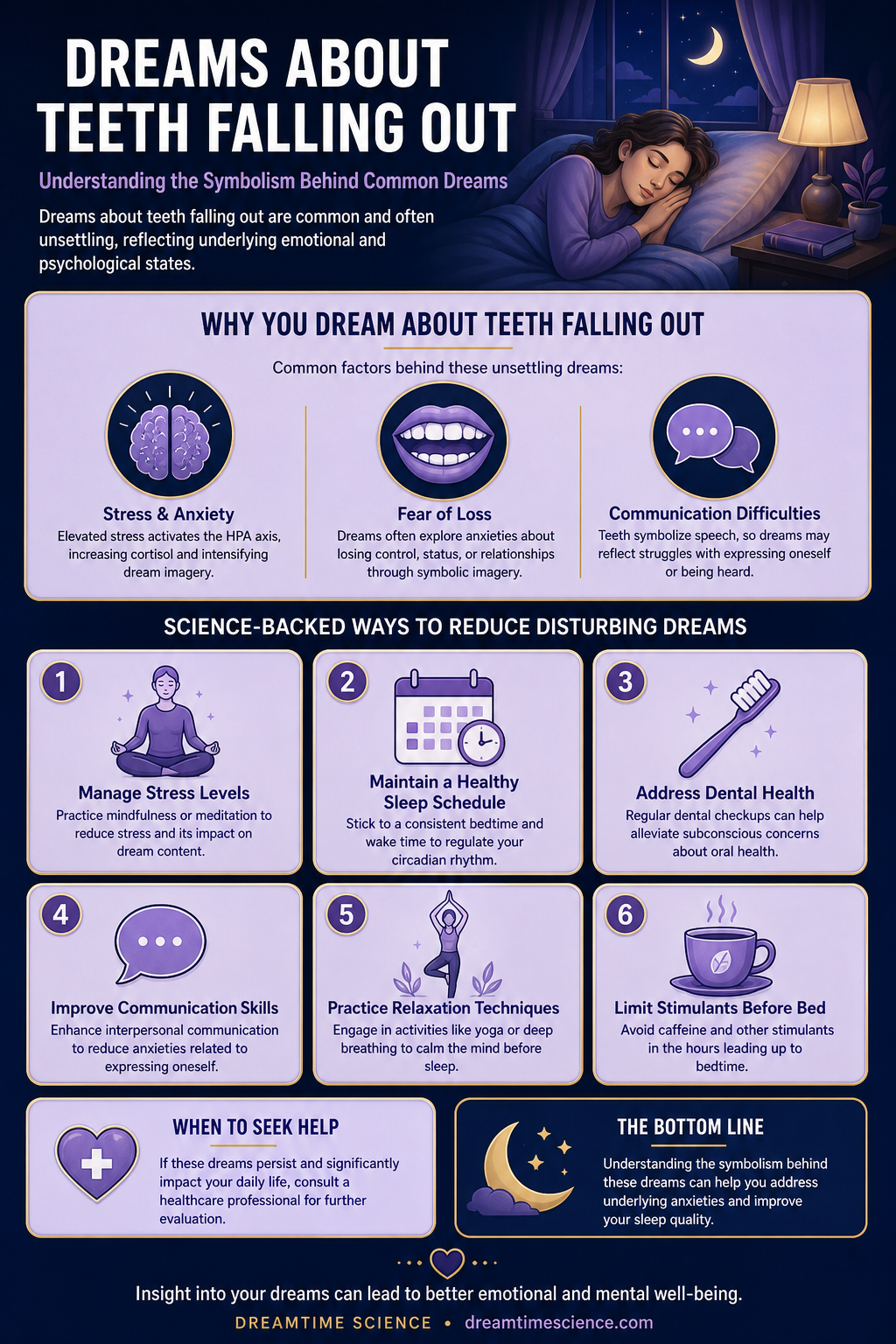
Stress is a significant contributor to disturbing dream content, and dreams about teeth falling out are no exception. Elevated stress levels activate the hypothalamic-pituitary-adrenal (HPA) axis, leading to increased cortisol production and influencing sleep architecture. This heightened physiological state can intensify dream imagery and emotional responses, causing previously neutral symbols like teeth to take on negative connotations. Dreaming of losing teeth can, therefore, be a dramatization of feelings of being overwhelmed or powerless in the face of daily pressures.
Interpreting Fear of Loss in the Context of Dreams
Dreams often serve as a safe space to explore difficult emotions, including anxieties surrounding loss. The loss represented in a dream doesn’t necessarily relate to a tangible object or person. Instead, it may signify a fear of losing control, youth, status, or a relationship. The brain employs metaphor to process these abstract fears, manifesting as concrete images like teeth falling out. These dreams provide an opportunity to acknowledge and begin to integrate these anxieties in a subconscious setting, potentially reducing their emotional impact during waking hours.
The Connection Between Oral Health and Dream Content
While often symbolic, dreams about teeth can sometimes have a more direct link to physical health. Paying attention to oral hygiene, which is critical to maintaining dental integrity, may influence dream content. While not a direct causal relationship, individuals who experience oral health issues may be more likely to have dreams featuring teeth, perhaps due to heightened awareness or subconscious concerns about their physical state. It’s advisable to address any unaddressed dental issues as part of a holistic approach to health and wellbeing.
Dreams About Teeth and Communication Difficulties
Teeth are integral to speech and communication. Dreams about losing teeth have been proposed as a metaphor for struggling to express oneself effectively, experiencing fear of not being heard, or encountering difficulties in social interactions. The subconscious mind uses teeth to represent the ability to articulate thoughts and feelings. Feelings of frustration or anxiety related to communication can translate into dreams where this ability is compromised, suggesting a need to address interpersonal difficulties and strengthen communication skills.
The Neurological Basis of Dreaming
Dreams occur most vividly during the Rapid Eye Movement (REM) stage of sleep. The brain undergoes significant activity during REM sleep, consolidating memories and processing emotions. The bizarre and symbolic content of dreams arises from this complex neural activity. While the exact purpose of dreams remains a topic of ongoing research, the chaotic neuronal firing during REM sleep can lead to unexpected imagery, including the seemingly common theme of teeth falling out.
Frequently Asked Questions
Why do I repeatedly dream about my teeth falling out?
Recurring dreams about teeth falling out often indicate unresolved emotional issues or persistent stressors in waking life. These dreams may continue until the underlying source of anxiety is addressed, allowing for emotional processing and resolution. Identifying these stressors and implementing healthy coping mechanisms is crucial to reducing the frequency of these unsettling dreams.
Could dreaming about teeth falling out be a sign of a medical condition?
Generally, these dreams are not indicative of a specific medical condition. However, given the link between oral health and dream content, it’s advisable to ensure regular dental checkups and address any dental concerns. If you experience other concerning physical symptoms alongside these dreams, consulting a healthcare professional is recommended.
Do dreams about losing teeth mean I feel insecure?
Dreams about teeth falling out tend to be correlated with losing confidence, but that is only one interpretation. Because teeth represent power and self-image, they may be a metaphor for perceived challenges to those characteristics. Self reflection is important to identify the root of the dream and the specifics of feeling insecure.
What steps can I take to prevent these dreams?
Addressing the underlying causes of stress and anxiety is the most effective way to minimize these dreams. Practicing relaxation techniques, such as mindfulness or meditation, regular exercise, and maintaining a healthy sleep schedule can offer substantial relief. Additionally, assessing and improving interpersonal communication skills can also contribute to more positive dream experiences.
Is dreaming about teeth falling out a common phenomenon?
Yes, dreams about teeth falling out are remarkably common across cultures and demographics. This universality suggests a shared psychological experience, with the symbolic representation of teeth resonating with fundamental human anxieties related to stability, confidence, and loss.
Fall Asleep to a Science Lecture
Put tonight's reading into practice — pick a gentle, softly-narrated episode and let the Professor talk you to sleep.
 Tonight's episodeDNA's Silent Blueprint: Uncovering Life’s Deepest Secrets
Related articles

Dreams About Falling: What They Mean and Why They Happen
Dreams about falling are a common and often startling experience, frequently attributed to a physiological phenomenon called hypnic jerks—involuntary muscle ...

Sleep Disorders You've Never Heard Of: Rare Conditions and What They Mean
Several rare sleep disorders exist beyond common insomnia, each with unique and often unsettling manifestations. Fatal Familial Insomnia, linked to a genetic…

Teeth Grinding at Night: Causes and Fixes for Bruxism
You might not even know it's happening. But your jaw does. Teeth grinding, or bruxism, is the midnight symphony that's more clatter than lullaby.