Recently updated

Bedroom Air Quality: How Humidity, CO2, and Plants Affect Sleep
The air in your bedroom significantly impacts how well you sleep each night.

How to Sleep in a Heatwave: What Actually Works
Heatwaves can significantly impact sleep, reducing sleep efficiency by up to 15% due to increased wakefulness. To combat this, prioritize bedroom cooling through…

Recurring Dreams: Why You Have the Same Dreams Over and Over
Recurring dreams are repetitive dream scenarios that arise because our brains crave patterns and are reinforcing neural pathways. They often stem from unresolved…
Cannabis, CBD, and Sleep: What the Evidence Actually Says
Cannabis and CBD have stirred significant interest in the realm of sleep science, with many people turning to these substances for potential solutions.
Nicotine and Sleep: What Smoking and Vaping Do to Your Night
Nicotine significantly affects sleep quality. Whether through smoking or vaping, introducing nicotine into your system can lead to difficulties in falling…
Bedroom Air Quality: How Humidity, CO2, and Plants Affect Sleep
The air in your bedroom significantly impacts how well you sleep each night.
How to Sleep in a Heatwave: What Actually Works
Heatwaves can significantly impact sleep, reducing sleep efficiency by up to 15% due to increased wakefulness. To combat this, prioritize bedroom cooling through…
Recurring Dreams: Why You Have the Same Dreams Over and Over
Recurring dreams are repetitive dream scenarios that arise because our brains crave patterns and are reinforcing neural pathways. They often stem from unresolved…

Sleep and Decision-Making: How Fatigue Impairs Your Judgment
Fatigue significantly impairs judgment, impacting the prefrontal cortex and lowering inhibitions against impulsive decisions. Even a single night of poor sleep can…

Sleep and Dementia Risk: What Deep Sleep Does for Your Brain
Ever wake up foggy, wondering if your brain's stuck on pause? Or find yourself retracing steps, trying to remember what you came into the room for?

Sleep and the Immune System: How Rest Protects Your Health
Lack of sleep significantly weakens the immune system, making you more susceptible to illness. Individuals getting less than six hours of sleep per night are four…

Sleep Anxiety: When Fear of Not Sleeping Keeps You Awake
Sleep anxiety, or somniphobia, turns bedtime into a struggle fueled by the fear of not sleeping and the potential consequences of exhaustion. A 2018 study in the…

Snoring Science: Why You Snore and What It Means
Snoring arises from vibrations in the soft tissues of the throat due to constricted airflow, often stemming from nasal congestion, a relaxed tongue, or a slack jaw.…

The Science of Sleepwalking: Why Your Body Moves During Sleep
Sleepwalking, or somnambulism, typically occurs during the NREM sleep stage, a period of deep rest when the body repairs itself. A 2003 study found that 84% of…

Why You Wake Up to Pee at Night (Nocturia Explained)
Waking up to pee at night, called nocturia, is a common experience for many people.

Narcolepsy and Cataplexy: When Sleep Arrives Uninvited
Ever felt the sudden weight of sleep crashing over you during broad daylight?

Orthosomnia: When Chasing Perfect Sleep Scores Keeps You Awake
You've felt it. The lure of a perfect sleep score, a digital badge of honor lighting up on your wrist.

Drowsy Driving: Why Tired at the Wheel Rivals Drunk at the Wheel
Ever found yourself squinting at the road ahead, eyelids growing heavier with each stretch of asphalt?

Hypnagogia: The Strange Minutes Between Waking and Sleep
Ever found yourself teetering on the edge of sleep, dancing with dreams and reality in a hazy twilight?

Sleep and Aging: Why Older Adults Wake Before Dawn
Ever found yourself wide awake before the first light of dawn, while the rest of the world sleeps on?

How to Use the Nap Calculator: A Complete Guide
A nap calculator is a tool designed to help individuals optimize the rejuvenating benefits of short sleep periods by aligning them with the natural rhythms o...

Exam Dreams and Being Unprepared: Why Old Stress Haunts Your Sleep
It's the night before an important day, and instead of drifting into a serene slumber, you find yourself sitting in a classroom.

Reading Before Bed: What Books Do to Your Sleepy Brain
You've heard the whispers from the digital realm: "Books are the answer.

A Hot Bath Before Bed: The Strange Science of Warming Up to Cool Down
A hot bath before bed can improve sleep quality by leveraging the body’s natural thermoregulatory processes.

Oversleeping: Can You Really Get Too Much Sleep?
You've felt it, haven't you? That groggy haze after a marathon sleep session.

The Sleep Revolution: How Qutool Cooling Can Transform Your Nights
Ever find yourself wrestling with your sheets, flipping your pillow to the cool side just one more time?
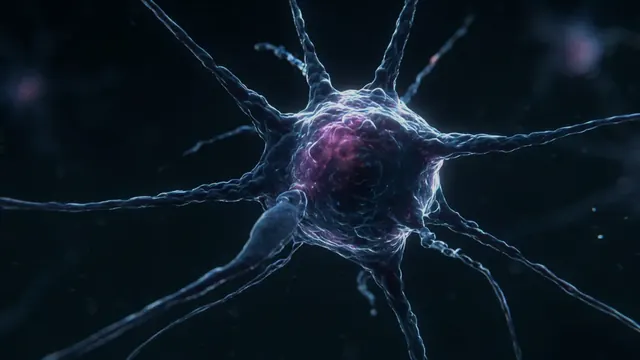
The Symphony of Sleep: Unraveling the Night's Mysteries
Ever laid in bed, tossing and turning, as the clock ticks louder with each passing minute?

Why You Wake Up Right Before Your Alarm
Picture this: the sky still wearing its nightcap, your room dim with early morning shadows.

The Snooze Button: What Those Extra Nine Minutes Do to Your Brain
Your alarm blares. You fumble in the dark, eyes barely open, and slam the snooze button. Sweet relief—nine more minutes.

Why Do Teenagers Sleep Late?
Teenagers experience a natural biological shift in their sleep patterns that makes it difficult for them to fall asleep and wake up at the same time as young...

Microsleep: The Split-Second Naps You Don't Know You're Taking
You're cruising down the highway, radio humming softly, the rhythmic whoosh of passing cars blending with your thoughts.

New Parents and Sleep: Surviving the First Year of Broken Nights
If you’re staring at the ceiling in the dead of night, exhausted yet wide-eyed, wondering if sleep will ever feel normal again, you’re in a club you never as...

Sleep Divorce: Why More Couples Are Sleeping Apart
You've probably whispered it to yourself in the dead of night: "How can one person snore so loudly?" Or maybe it's the constant tossing and turning, or the b...

Pink Noise vs White Noise: Which Sounds Help You Sleep Deeper
You've probably felt it: the restless tossing, the heavy eyelids that refuse to close.

Dreams and Emotions: Why Your Feelings Intensify in Dreams
Dreams feel more intense than waking life because the regulation typically provided by the prefrontal cortex is diminished during REM sleep, allowing the lim...

Dreams and Problem Solving: Can Your Brain Solve Problems While You Sleep?
Yes, the brain demonstrates the capacity to solve problems during sleep, and this capability is particularly pronounced during rapid eye movement (REM) sleep.

Sleep Myths Debunked: Separating Sleep Science from Fiction
The idea that everyone needs exactly eight hours of sleep is a common myth; individual sleep needs vary considerably. Some people thrive on as little as six hours,…

The Connection Between Stress and Insomnia and How to Break It
Stress significantly disrupts sleep architecture, notably reducing slow-wave sleep, a restorative stage, by up to 18% according to a 2016 study. Elevated cortisol…

The Role of the Pineal Gland: Understanding Melatonin Production
The pineal gland, often called the "third eye," produces melatonin, the hormone that signals the body to wind down and prepare for sleep. Exposure to blue light, like…

Menopause and Sleep: Night Sweats, Insomnia and What Helps
You're tossing and turning. The clock ticks by, but sleep is nowhere to be found. Maybe it's the night sweats.
Sleep and Migraines: The Headache-Rest Connection
You know the feeling. Waking up with a pounding headache that refuses to be ignored.

Teeth Grinding at Night: Causes and Fixes for Bruxism
You might not even know it's happening. But your jaw does. Teeth grinding, or bruxism, is the midnight symphony that's more clatter than lullaby.

ADHD and Sleep: Why Restless Minds Struggle at Night
Individuals with Attention-Deficit/Hyperactivity Disorder (ADHD) frequently experience sleep disturbances, characterized by difficulty falling asleep, stayin...
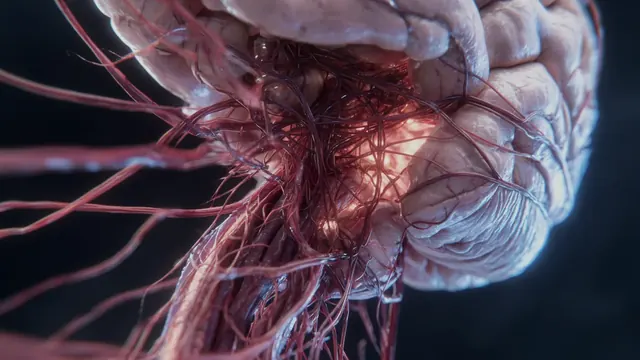
Sleep and Pain: The Bidirectional Relationship Between Rest and Discomfort
Pain and sleep share a complex, bidirectional relationship, with each significantly impacting the other. Roughly 50% to 80% of individuals with chronic pain…

The Science of Power Napping: Timing, Duration, and Benefits
Power naps, ideally lasting 10 to 20 minutes, can provide significant benefits like boosted alertness and improved mood. Timing is key; the early afternoon, between 1…

The Science of Yawning: Why Do We Yawn and What Does It Mean?
Yawning serves multiple functions, primarily acting as nature's way to cool an overheating brain. A 2014 study in Frontiers in Neuroscience found yawning can decrease…

Pregnancy and Sleep: What Changes in Each Trimester
You're lying there, belly a small planet beneath the sheets, eyes wide open in the quiet of the night.
Sleep and Athletic Performance: How Rest Builds Muscle and Speed
You’ve pushed through another grueling workout, sweat pouring, muscles aching.

Deep Sleep vs Light Sleep: Which Matters More?
Both deep and light sleep are essential components of a complete sleep cycle, contributing uniquely to physical and cognitive restoration.

How Alcohol Affects Your Sleep: The Hidden Cost of a Nightcap
Alcohol initially sedates the body, facilitating a faster onset of sleep, but it ultimately disrupts sleep architecture and diminishes overall sleep quality.

The Science of Meditation for Sleep: How Mindfulness Impacts Rest
Meditation offers a powerful, accessible tool for improving sleep quality by calming mental chatter and promoting relaxation. A 2015 study showed mindfulness…

What Your Sleep Position Says About Your Health
Your sleep position can offer insights into your health, with side sleeping potentially reducing sleep apnea symptoms and back sleeping often considered best for…

Why You Forget Dreams Immediately Upon Waking
You forget dreams because the hippocampus, responsible for transferring short-term memories to long-term storage, operates at reduced capacity during REM sleep.…
Restless Legs Syndrome: Why Your Legs Won't Let You Sleep
Picture this: It's late, the world is quiet, and you're nestled in bed.

Should You Get Out of Bed When You Can't Sleep? The 20-Minute Rule
You know the feeling all too well. The clock ticks mercilessly by, each minute heralding dawn's arrival, and yet sleep eludes you like a ghost in the night.

Exercise and Sleep: The Science of Timing for Better Rest
To improve sleep, consider exercising in the morning, or at least avoiding vigorous activity close to bedtime.

Famous Scientists’ Sleep Habits: Da Vinci, Einstein, and Others
History's greatest scientists had wildly different sleep habits. Einstein slept 10 hours nightly plus daytime naps. Da Vinci reportedly used polyphasic sleep in…

How Caffeine Affects Your Sleep and When to Stop Drinking It
Caffeine's half-life averages 5 to 6 hours, meaning that consumption even six hours before bedtime can significantly disrupt sleep.

Magnesium for Sleep: What the Research Actually Shows
Magnesium is an essential mineral involved in hundreds of bodily processes, and emerging research indicates a significant role in regulating sleep.

Why Naps Backfire and When They Actually Help
Naps backfire when they last too long or happen too late. Naps exceeding 30 minutes enter deep sleep, causing grogginess upon waking. Napping after 3pm reduces…

Sleep Learning: A Comprehensive Review of the Evidence
You cannot learn entirely new information while asleep, but sleep plays a critical role in consolidating what you learned while awake. During slow-wave sleep, the…

Foods That Help You Sleep: The Evidence Behind Sleep-Friendly Eating
You’re tossing, turning, and counting the hours till dawn. Maybe you’ve tried it all—meditation, blackout curtains, even whale sounds.

Revenge Bedtime Procrastination: Why You Delay Sleep on Purpose
Ever find yourself scrolling endlessly on your phone, knowing full well you should be asleep?
Daylight Saving Time and Sleep: Why the Clock Change Hits So Hard
Every year, the clock shifts forward or backward, and many individuals experience disruptions to their sleep and overall well-being.

Dreams About Falling: What They Mean and Why They Happen
Dreams about falling are a common and often startling experience, frequently attributed to a physiological phenomenon called hypnic jerks—involuntary muscle ...

Dreams About Teeth Falling Out: What They Really Mean
Dreams about teeth falling out are a common and often unsettling experience.

Weighted Blankets: The Science of Deep Pressure and Sleep
Tossing and turning, tangled in sheets, the clock's relentless march toward morning.

Dreams About Being Chased: Why These Nightmares Are So Common
Dreams about being chased are a remarkably prevalent experience, occurring in an estimated 70% of adults at some point in their lives.

Sleep Apnea Explained: Signs You Stop Breathing at Night
Ever wake up in the middle of the night gasping for air? Or maybe someone told you that your snoring sounds less like a gentle purr and more like a bear…

Why You Wake Up at 3am (And How to Fall Back Asleep)
You've been there. The clock ticks, the world around you sleeps, and yet, there you are, wide awake at 3am. The witching hour, they say.

Beat Insomnia Tonight
Insomnia can be beaten tonight using seven evidence-based techniques: the 4-7-8 breathing method, progressive muscle relaxation, stimulus control, cognitive…
Learn in Your Sleep: The Science of Sleep-Dependent Memory Consolidation
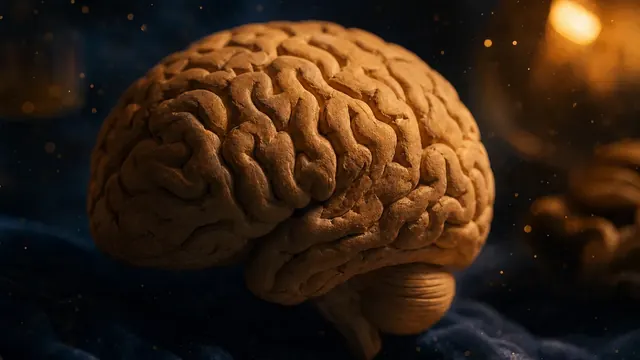
While you can't learn entirely new, complex information during sleep, research shows that memory consolidation, particularly for declarative facts and procedural…

Bedtime Stories for Adults
Bedtime stories can improve adult sleep by diverting attention from anxious thoughts and activating the parasympathetic nervous system, which regulates the "rest and…

Sleep Learning: Optimizing Memory Consolidation During Sleep
Sleep learning aims to strengthen existing memories or facilitate the consolidation of recently learned information while asleep, rather than acquiring entirely new…

Caffeine Half-Life: How Long Caffeine Actually Stays in Your System
Caffeine’s half-life is approximately five to five-and-a-half hours, meaning it takes that long for half of the ingested amount to be eliminated. This means caffeine…

Blue Light Before Bed: What Research Actually Shows
Blue light exposure before bed does suppress melatonin production, potentially delaying melatonin onset by around 30 minutes with two or more hours of bright screen…

Prophetic Dreams: Can Dreams Really Predict the Future?
While dreams can feel incredibly meaningful, scientific evidence doesn't confirm they predict the future. Instead, the brain may be subconsciously recognizing…

Sleep Disorders You've Never Heard Of: Rare Conditions and What They Mean
Several rare sleep disorders exist beyond common insomnia, each with unique and often unsettling manifestations. Fatal Familial Insomnia, linked to a genetic…

Caffeine Sensitivity: Why Some People Are More Affected Than Others
Caffeine affects people differently due to variations in genes like CYP1A2 and ADORA2A. Individuals with a slow CYP1A2 variant metabolize caffeine 1.5 times slower…

Dreams and Relationships: How Sleep Affects Intimacy and Connection
Dreams, particularly those occurring during REM sleep, play a significant role in relationship health. A 2017 study in the Journal of Neuroscience found that REM…
The Sandman Myth: Understanding Sleep Folklore and Sleep Paralysis Demons
Sleep paralysis is a relatively common experience, affecting approximately 8% of the general population at least once in their lifetime. It occurs when the brain…

Dreaming in Color: Do People Really Dream in Black and White?
Historically, around three-quarters of people reported dreaming in black and white, coinciding with the prevalence of black-and-white television in the 1940s. As…

Lucid Dream Benefits: What You Can Actually Accomplish in Lucid Dreams
Lucid dreaming offers a unique opportunity to boost creativity, confront fears, and even improve skill performance. Regularly practicing lucid dreaming can reduce…

Mattress and Sleep Quality: Does Your Bed Really Matter That Much?
Yes, your mattress significantly impacts sleep quality. Studies show memory foam can reduce pain by 31%, while innerspring mattresses provide uniform support…

White Noise and Sleep: Does Background Sound Help or Hurt?
White noise can potentially improve sleep by masking distracting sounds and creating a calming auditory environment. Studies have shown it can help people fall asleep…

Sleep and Skin Health: Why Your Complexion Improves With Rest
Lack of sleep significantly impacts skin health, with sleep-deprived individuals showing twice as many signs of skin aging compared to those who are well-rested.…

Sleep Rituals Across Cultures: How Different Societies Approach Rest
Cultural sleep practices vary widely across the globe, from Norway's use of blackout blinds to Japan’s acceptance of “inemuri” or brief naps during the day. In Spain,…

Sleep Efficiency: Maximizing the Quality of Your Sleep Hours
To maximize the quality of your sleep, focus on sleep efficiency, which is the ratio of time asleep to time in bed. Aiming for 85% or higher can significantly improve…
Sleep Debt and Productivity: How Rest Hours Affect Your Work Performance
Sleep debt accumulates when you consistently miss out on the recommended 7-9 hours of sleep each night, creating a deficit that impairs cognitive functions. Research…

Breathing Techniques for Sleep: How Your Breath Affects Rest
Breathing techniques like the 4-7-8 method and deep breathing exercises can significantly improve sleep quality by activating the parasympathetic nervous system. A…

Gender and Sleep: How Sleep Patterns Differ Between Men and Women
Women's sleep patterns often differ from men's due to hormonal fluctuations, a slightly shorter circadian rhythm, and variations in sleep architecture. Studies show…

Sleep and Blood Sugar: How Rest Affects Your Glucose Levels
Insufficient sleep significantly impacts blood sugar regulation. Studies show individuals sleeping less than six hours a night face a 32% higher risk of type 2…

Sleep Hygiene 101: Building a Better Bedtime Routine From Scratch
Insufficient sleep is linked to serious health conditions like heart disease, diabetes, and depression, highlighting the importance of good sleep hygiene. Creating a…
The Science Behind Lucid Dreaming: What's Actually Happening in Your Brain
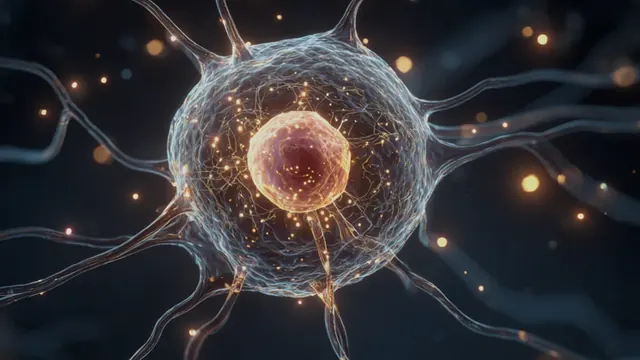
Lucid dreaming occurs when the prefrontal cortex, responsible for logic and self-reflection, becomes highly active during REM sleep, resembling wakefulness. A 2012…

The Sleep-Dream Connection: How Different Sleep Stages Produce Different Dreams
Dreams are directly linked to sleep stages, with NREM sleep producing often mundane, black-and-white dreams that help consolidate declarative memories and prune…

Sleep and Appetite Control: How Rest Regulates Hunger Hormones
Insufficient sleep disrupts the balance of hunger hormones, increasing ghrelin and decreasing leptin. Research shows that sleep-deprived individuals consume an…

Sleep and Heart Health: How Rest Protects Your Cardiovascular System
Insufficient sleep significantly impacts cardiovascular health. Individuals with chronic insomnia face a 45% increased risk of cardiovascular diseases, while…

Sleep Supplements: Beyond Melatonin - What Actually Works
Several supplements beyond melatonin can potentially improve sleep. Herbal remedies like valerian root and chamomile have shown promise, with chamomile demonstrated…

The Window of Sleep: Understanding Your Body's Sleep Gates
Your sleep window is a period when your body's natural rhythms align, facilitating sleep, and is influenced by factors like your circadian rhythm and sleep pressure.…

Sleep Regression in Children: Understanding Developmental Sleep Changes
Sleep regression in infants and toddlers is a common disruption of sleep patterns linked to rapid brain development and new skill acquisition, such as crawling or…

Jet Lag Explained: How to Recover From Time Zone Changes
Jet lag occurs when your body's internal clock, the circadian rhythm, doesn't align with the new time zone after travel. This disruption, impacting sleep, mood, and…

Sleep and Hormones: How Rest Regulates Your Body's Chemistry
Sleep regulates your body’s chemistry primarily through the influence of hormones like melatonin, cortisol, ghrelin, insulin, and leptin. For example, blue-enriched…

Pet Sleep: Should Your Dog or Cat Sleep in Your Bed?
Sharing your bed with a pet can be comforting, but it may negatively impact your sleep. Over 20% of pet owners, according to a 2014 Mayo Clinic survey, report sleep…

Seasonal Sleep Changes: Why You Sleep Differently in Winter and Summer
Seasonal changes significantly impact sleep patterns due to fluctuations in daylight. Winter's shorter days trigger earlier melatonin release and a craving for sleep,…

Sleep and Creativity: How Dreams Unlock Creative Problem-Solving
Dreams facilitate creative problem-solving by allowing the brain to forge connections and process emotions while we sleep. A 2012 study found individuals experiencing…

Chronotypes Explained: Are You a Morning Person or Night Owl?
Your chronotype, or natural sleep preference, is influenced by genetics and impacts when you feel most alert. A 2019 study in Nature Communications found genetic…

Shift Work and Sleep: Strategies for Night Shift Workers
Night shift work significantly disrupts the body's natural circadian rhythm, leading to challenges with sleep and alertness. A 2017 study found shift workers are 1.5…

Sleep and Digestion: Why You Shouldn't Eat Right Before Bed
Eating a meal too close to bedtime forces your body to digest while it should be resting, potentially leading to restlessness and delayed sleep. A 2015 study found…

Sleep and Mental Health: How Rest Affects Depression and Anxiety
Sleep significantly impacts mental health, with a lack of sleep amplifying negative feelings. A 2007 study found sleep deprivation can increase the brain's reaction…

Sleep and Weight Gain: Why Poor Sleep Makes You Gain Weight
Poor sleep significantly impacts weight management by disrupting metabolic processes and hormonal balance. Sleep deprivation can increase the risk of obesity by 55%…

Sleep Debt: How Your Body Tracks Missing Sleep (And Why It Matters)
Sleep debt accumulates when you consistently miss hours of restorative rest, much like a financial debt. A 2017 Nature study showed chronic sleep restriction can…

Sleep Talking: Why Your Body Speaks in the Night
Sleep talking, or somniloquy, is a relatively common phenomenon, affecting approximately 5% of adults. It's a form of parasomnia linked to genetics and often…

Sleep Tracking Devices: Do They Actually Help You Sleep Better?
Sleep tracking devices utilize actigraphy and heart rate variability to estimate sleep stages, but their accuracy is limited, with a reported 78% accuracy rate…

The Role of Darkness: Why Light Exposure Matters for Sleep
Darkness plays a crucial role in sleep by signaling the brain to release melatonin, the hormone that promotes relaxation and initiates sleep. Exposure to light,…

The Science Behind Sleep Inertia: Why Waking Up is So Hard
Waking up can be surprisingly difficult due to sleep inertia, a period where your brain transitions from sleep to wakefulness. This grogginess is caused by lingering…

Why You Sleep More on Weekends (And If It's Healthy)
Sleeping in on weekends, driven by social jet lag, disrupts your body's natural rhythm and can negatively impact health. A 2017 study linked each hour of social jet…

Why You Twitch While Falling Asleep (Hypnic Jerks Explained)
Hypnic jerks, or sleep starts, are sudden, involuntary twitches that occur as you transition into sleep, typically during stage one. They feel like a falling…

Circadian Rhythms 101: How Your Body's Internal Clock Controls Sleep
Your circadian rhythm is a 24-hour internal clock controlled by the suprachiasmatic nucleus in the hypothalamus. It regulates sleep-wake cycles, hormone release, body…

Cognitive Behavioral Therapy for Insomnia (CBT-I): Evidence-Based Sleep Fixes
CBT-I is the gold-standard treatment for chronic insomnia, recommended as first-line therapy over sleeping pills by every major medical body. It combines sleep…

Does Melatonin Actually Work? What Science Says About This Popular Supplement
Melatonin is a timing signal, not a sedative. It works best for circadian misalignment such as jet lag and delayed sleep phase, where it can shift sleep onset by…

The Science of Why You Can't Sleep: Understanding the Insomnia Cycle
Insomnia becomes self-perpetuating because worrying about sleep triggers a stress response that makes sleep impossible. This creates a conditioned arousal where the…

Lucid Dreaming: Can You Really Control Your Dreams? (With Science)
Lucid dreaming is a scientifically verified state where the dreamer becomes aware they are dreaming and can exert partial control over the dream narrative. Brain…

Nightmares and Night Terrors: What’s the Difference?
Nightmares and night terrors are fundamentally different events. Nightmares occur during REM sleep, involve vivid story-like dreams, and are remembered upon waking.…

The Perfect Bedtime Routine According to Sleep Scientists
The ideal bedtime routine lasts 30-60 minutes and follows a neuroscience-backed sequence: dim lights to signal melatonin production, lower room temperature to 16-19…

Progressive Muscle Relaxation: A Neuroscience-Backed Technique for Better Sleep
Progressive muscle relaxation (PMR) reduces sleep onset time by systematically tensing and releasing muscle groups from toes to head. This activates the…
REM Sleep Explained: Why This Stage Matters Most
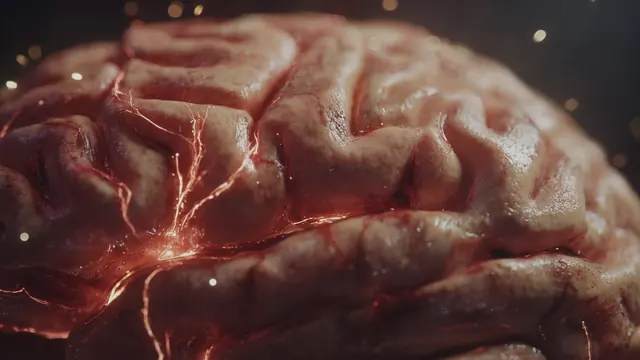
REM sleep is the brain's nightly maintenance cycle for emotional processing and memory consolidation. During REM, your brain is nearly as active as when awake,…
The Science of Falling Asleep: What Happens When You Close Your Eyes
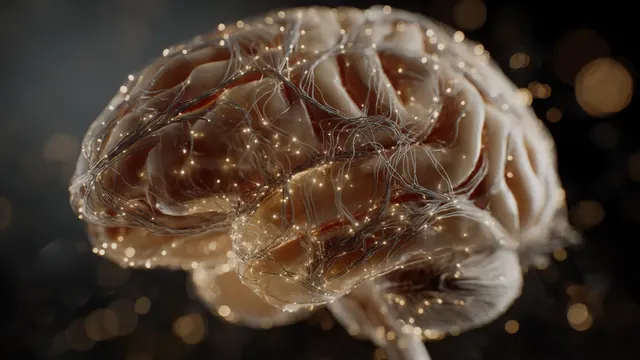
Falling asleep takes an average of 14 minutes and involves a precise neurochemical cascade. As adenosine accumulates and melatonin rises, the ventrolateral preoptic…

Sleep Architecture Across Your Lifespan: How Sleep Changes as You Age
Sleep architecture changes dramatically across your lifespan. Newborns spend 50% of sleep in REM, declining to 20-25% in adults. Deep slow-wave sleep peaks in…

Sleep Cycles Explained: Why 8 Hours Isn't Always Enough
Each sleep cycle lasts approximately 90 minutes and progresses through four stages: light NREM (N1 and N2), deep slow-wave sleep (N3), and REM sleep. You complete 4-6…
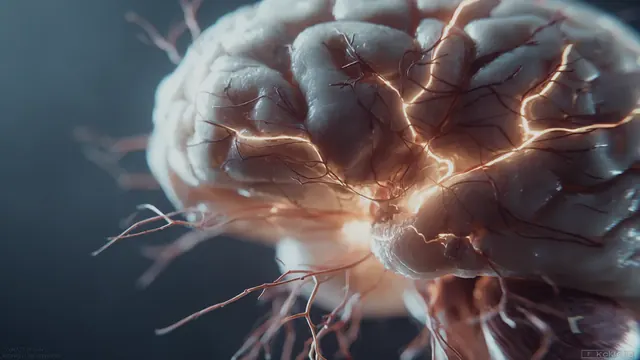
Sleep Deprivation's Impact on Memory, Learning, and Your Immune System
After 24 hours without sleep, cognitive impairment equals a blood alcohol level of 0.10%, beyond the legal driving limit. Reaction times slow by 300%, emotional…

Sleep in Nature vs. Urban Environments: A Scientific Comparison
People sleep an average of 20 minutes longer and experience 18% more deep sleep in natural environments compared to urban settings. Reduced artificial light, lower…
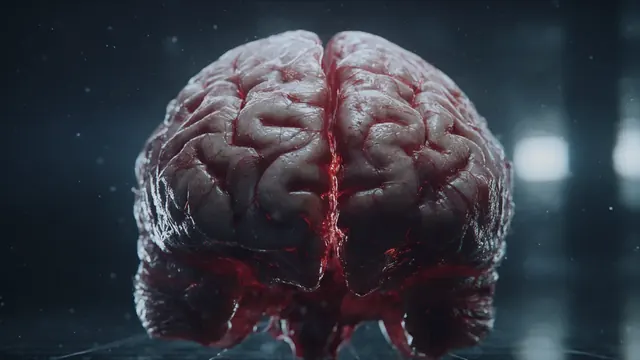
Sleep Paralysis Explained: Why You Can't Move When You Wake
Sleep paralysis occurs when you awaken while your body is still in REM atonia, a natural muscle paralysis that prevents acting out dreams. Approximately 7.6% of the…

Temperature, Darkness, and Sound: The Ideal Sleep Environment (By the Numbers)
The ideal sleep environment maintains a temperature of 16-19 degrees Celsius, complete darkness below 5 lux, and ambient noise under 30 decibels. Your core body…
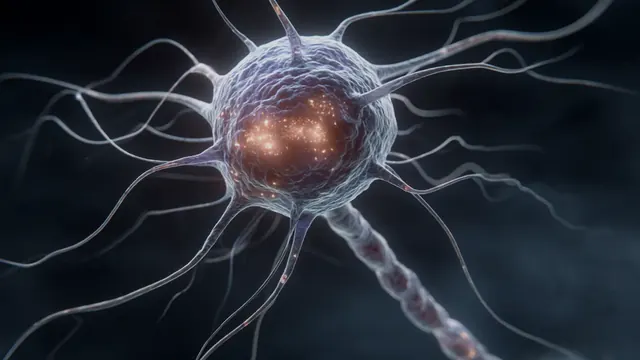
The Glymphatic System: How Your Brain Cleans Itself While You Sleep
The glymphatic system is your brain's waste-clearance network that activates primarily during deep sleep. Cerebrospinal fluid flushes through brain tissue along…

The History of Sleep Science: From Freud to Modern Brain Imaging
Sleep science began with Freud's dream interpretation in 1899, but the field transformed in 1953 when Aserinsky and Kleitman discovered REM sleep using…

The Sleep Pressure Curve: Why You Get Tired at Specific Times
Sleep pressure is driven by adenosine, a byproduct of neuronal activity that accumulates in the brain throughout waking hours. The longer you stay awake, the more…

Why Do We Dream? The Science Behind Your Nighttime Adventures
Despite decades of research, scientists still debate why we dream. Leading theories include memory consolidation, where the brain replays and integrates daily…
No articles match that search.