
The short answer: Snoring arises from vibrations in the soft tissues of the throat due to constricted airflow, often stemming from nasal congestion, a relaxed tongue, or a slack jaw. Lifestyle factors like weight, alcohol consumption, and smoking can exacerbate the issue, while genetics may play a role, contributing to around 40% of snoring cases. In some instances, loud snoring accompanied by pauses in breathing could indicate sleep apnea, which increases the risk of cardiovascular disease by 30% if left untreated.
Snoring occurs when air vibrates as it passes through the nose, throat, and airways. It’s a common issue, often disrupting sleep for both the snorer and their partner. This article explores the science behind snoring, its potential health implications, and possible remedies. We will examine the mechanics of the airway, discuss sleep apnea, and consider genetic and lifestyle factors.
Key takeaways
- Snoring occurs when air struggles to pass through your upper airways, creating vibrations.
- Nasal congestion, a relaxed jaw, and the position of your tongue can all contribute to snoring.
- Sleep apnea is a serious condition that involves pauses in breathing during sleep.
- Lifestyle choices, like alcohol consumption and smoking, can impact snoring sounds.
- Simple changes, such as adjusting your sleep position or using a humidifier, may reduce snoring.
Why Do I Snore? Understanding the Sounds of Sleep
Snoring happens when air struggles to pass through your upper airways. It’s a noise created by vibrations. These vibrations come from soft tissues in your throat. Think of it as your body’s way of signaling some resistance.
Several areas can contribute to this noisy breathing. Congestion, like from a cold, can block your nasal passages. The soft palate, the soft part at the back of the roof of your mouth, can also play a role. It might collapse slightly, creating vibrations. The tongue can also fall back, narrowing the airway.
A relaxed jaw can worsen the problem. When your jaw falls open, it can squeeze the throat, making the airway even smaller. This narrowing increases the snoring volume. Other factors, like your sleep position and hydration levels, also influence snoring.
Common Contributors to Snoring
Here are some common factors that lead to snoring:
- Nasal Congestion: Blocked nasal passages make breathing harder.
- Soft Palate Collapse: The soft palate can vibrate when it falls.
- Tongue Position: A tongue that falls back restricts airflow.
- Jaw Position: A slack jaw can narrow the airway.
- Sleep Position: Sleeping on your back often makes snoring worse.
- Dehydration: Lack of fluids can thicken the secretions in your nose and throat.
Understanding how your airway works can help you find solutions. Pinpointing the main cause – congestion, tongue position, or jaw slackness – can guide you. Simple adjustments, like nasal strips or a special pillow, may offer relief.
Sleep Apnea: The Silent Alarm
Snoring can be more than an annoyance. Sometimes, it's a red flag. Sleep apnea snoring isn't just loud. It's accompanied by periods of silence where the breath stops entirely. Not just seconds of stillness, but a pause that starves the body of oxygen.
Your brain eventually sounds the alarm, waking you just enough to gasp and start the cycle anew. This broken sleep can lead to groggy mornings and relentless fatigue. A 2016 study in the American Journal of Respiratory and Critical Care Medicine found that untreated sleep apnea increases the risk of cardiovascular disease by 30%.
Sleep apnea doesn't just steal rest; it can steal health. Untreated, it raises the risk of high blood pressure, heart disease, and even stroke. This isn't just snoring; it's a call to action.
What This Means for You
If your snoring is accompanied by pauses in breathing or excessive daytime fatigue, it's crucial to seek medical advice. Sleep studies can diagnose sleep apnea, and treatments like CPAP machines have been shown to significantly improve health outcomes.
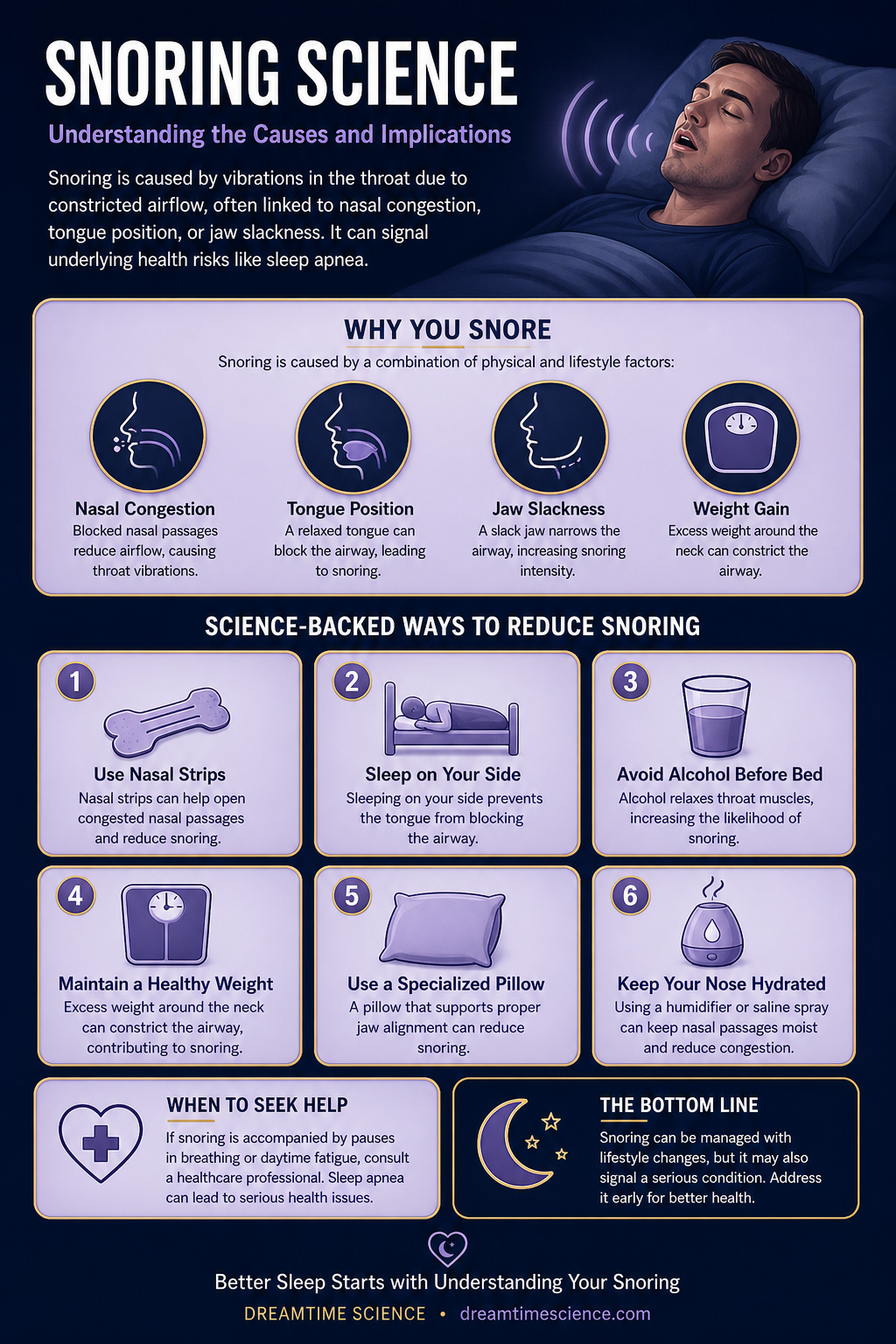
Why the Snoring Sound? Exploring Common Causes
Snoring happens for various reasons, from simple habits to underlying conditions. The sound often arises from vibrations in the throat and nose. These vibrations are caused by airflow encountering resistance.
Several factors can narrow or obstruct the airway. Extra weight, for example, presses on the throat. Alcohol consumption relaxes throat muscles, making them less stable. Allergies cause swelling in the nasal passages. Age weakens muscle tone, which can lead to tissue sagging.
Lifestyle and Anatomy
Lifestyle choices also play a role in snoring. Smoking irritates the delicate lining of the airways. Eating a large meal before bed can put pressure on the diaphragm. This forces you to breathe through your mouth, which causes snoring.
Here’s a breakdown of common contributors:
- Weight: Excess weight can compress the airway.
- Alcohol: It relaxes throat muscles, increasing vibration.
- Allergies: Nasal congestion forces mouth breathing.
- Age: Reduced muscle tone leads to airway instability.
- Smoking: It inflames and irritates the airways.
Each of these factors contributes to the unique sound of your snoring. It's a complex interplay of anatomy and lifestyle.
What Can I Do About My Snoring? Finding Relief and Rest
Snoring can be a disruptive habit, but it is possible to find relief. Small changes often make a big difference in reducing snoring sounds. It's good news that you don't have to live with it.
Simple adjustments to your sleep position can help. When you sleep on your side, your tongue is less likely to block your airway. Consider using a humidifier, especially if dry air is a problem. A new pillow might also improve your neck angle.
Exploring Snoring Aids
Several devices can help manage snoring. Nasal strips gently open nasal passages, improving airflow. Mouthguards can keep your jaw in a position that prevents snoring. These tools can act as conductors for air.
If snoring is linked to sleep apnea, further action is needed. A CPAP machine (continuous positive airway pressure) can provide consistent airflow. This can greatly improve sleep quality and overall health.
Why Do I Snore? The Role of Genetics
Snoring can run in families, like other physical traits. It may be an inherited characteristic, passed down through generations. Your airway structure, tonsil size, and fat distribution are partly determined by your genes. These are all factors that can affect snoring.
Genetic factors play a significant role in why people snore. A study found that genes contribute to about 40% of snoring cases. This means that your family history can increase your chances of snoring. However, genetics is not the whole picture.
Managing Genetic Influences
Even with a genetic predisposition, you can still address snoring. You cannot alter your DNA, but you can influence its effects. Lifestyle changes or medical treatments might help. This can lessen the impact of those inherited traits.
Here are factors that can be inherited:
- Airway shape
- Tonsil size
- Fat distribution
The Night's Whisper
Snoring is more than a nighttime nuisance. It's your body's whisper, a reminder of the delicate dance of air and anatomy. Each snore, a note in the nocturnal melody, tells a story of rest, resistance, and renewal.
So as you close your eyes tonight, listen. Not just to the snoring, but to what it might be saying. And in that sound, find the rhythm of a night poised between chaos and calm.
What is Snoring?
Snoring is a common noise made during sleep. It happens when air struggles to pass through your nose and throat. This vibration creates the characteristic rumbling or rattling sound. Many people snore occasionally, and it’s usually not a cause for concern. However, frequent or loud snoring can sometimes indicate an underlying issue.
The sound itself comes from the vibration of tissues. These tissues include your soft palate, uvula, and throat muscles. During sleep, these tissues relax. This relaxation can narrow your airway, increasing the effort needed to breathe. The faster the air moves, the more the tissues vibrate, and the louder the snore. A relaxed tongue can also contribute to airway obstruction.
Here are some factors that can influence snoring:
- Body position: Sleeping on your back often makes snoring worse.
- Nasal congestion: A stuffy nose creates resistance to airflow.
- Alcohol consumption: Alcohol relaxes throat muscles, increasing the chance of snoring.
- Weight: Excess weight, especially around the neck, can narrow the airway.
Why Do I Snore? Unraveling the Mystery of Noisy Sleep
Snoring often results from a combination of factors. These include your physical structure and daily habits. Genetics can also play a role, influencing your likelihood of snoring. Understanding these elements can help you find solutions.
What Contributes to Snoring?
Several factors can narrow the airway, leading to snoring. This narrowing causes vibrations as you breathe. Here's a breakdown of common contributors:
- Anatomy: A larger tongue or enlarged tonsils can obstruct airflow. A deviated septum, a shift in the cartilage separating your nostrils, can also be a factor.
- Lifestyle: Alcohol consumption relaxes throat muscles. Being overweight or obese can increase fat deposits around the neck. Sleeping on your back can cause the tongue to fall back and obstruct the airway.
- Age: As you age, your throat muscles tend to lose some tone. This can make snoring more likely.
Small Changes, Big Impact
Simple adjustments to your lifestyle can sometimes reduce snoring. These adjustments can lead to improved sleep quality. Consider trying some of these: losing weight, avoiding alcohol before bed, and sleeping on your side.
Frequently Asked Questions
Why do some people snore louder than others?
Snoring loudness varies from person to person. A smaller airway makes snoring louder because air vibrates more. Things like sleep position and habits can also change how loud someone snores.
Can snoring be a sign of something serious?
Yes, snoring can sometimes signal a health problem. It may be a sign of sleep apnea, a condition that disrupts breathing. People with sleep apnea often feel very tired during the day. Snoring can also be connected to metabolic syndrome, which raises the risk of heart issues.
Does weight loss reduce snoring?
Yes, losing weight can lessen snoring. Extra fat around the neck narrows your airway. A 2009 study saw a 26% drop in sleep apnea severity with a 10% weight loss. Weight loss also tends to improve how well you breathe while sleeping.
How effective are over-the-counter snoring aids?
Over-the-counter snoring aids can sometimes reduce mild snoring. Nasal strips and mouthguards aim to open airways. They often don’t fix deeper problems like sleep apnea, though. A doctor can help if snoring continues or worsens.
Are there any natural remedies to stop snoring?
Yes, simple lifestyle changes can often lessen snoring. Sleeping on your side prevents your tongue from blocking your airway. Avoiding alcohol before bed and maintaining a healthy weight also helps. A humidifier can moisten dry airways, and good sleep hygiene is important too.
Fall Asleep to a Science Lecture
Put tonight's reading into practice — pick a gentle, softly-narrated episode and let the Professor talk you to sleep.
 Tonight's episodeHow Gravity Can Bend Time: The Cosmic Clock Puzzle
Related articles

Sleep Apnea Explained: Signs You Stop Breathing at Night
Ever wake up in the middle of the night gasping for air? Or maybe someone told you that your snoring sounds less like a gentle purr and more like a bear…

What Your Sleep Position Says About Your Health
Your sleep position can offer insights into your health, with side sleeping potentially reducing sleep apnea symptoms and back sleeping often considered best for…

Sleep Divorce: Why More Couples Are Sleeping Apart
You've probably whispered it to yourself in the dead of night: "How can one person snore so loudly?" Or maybe it's the constant tossing and turning, or the b...