← Back to Articles
Sleep Science
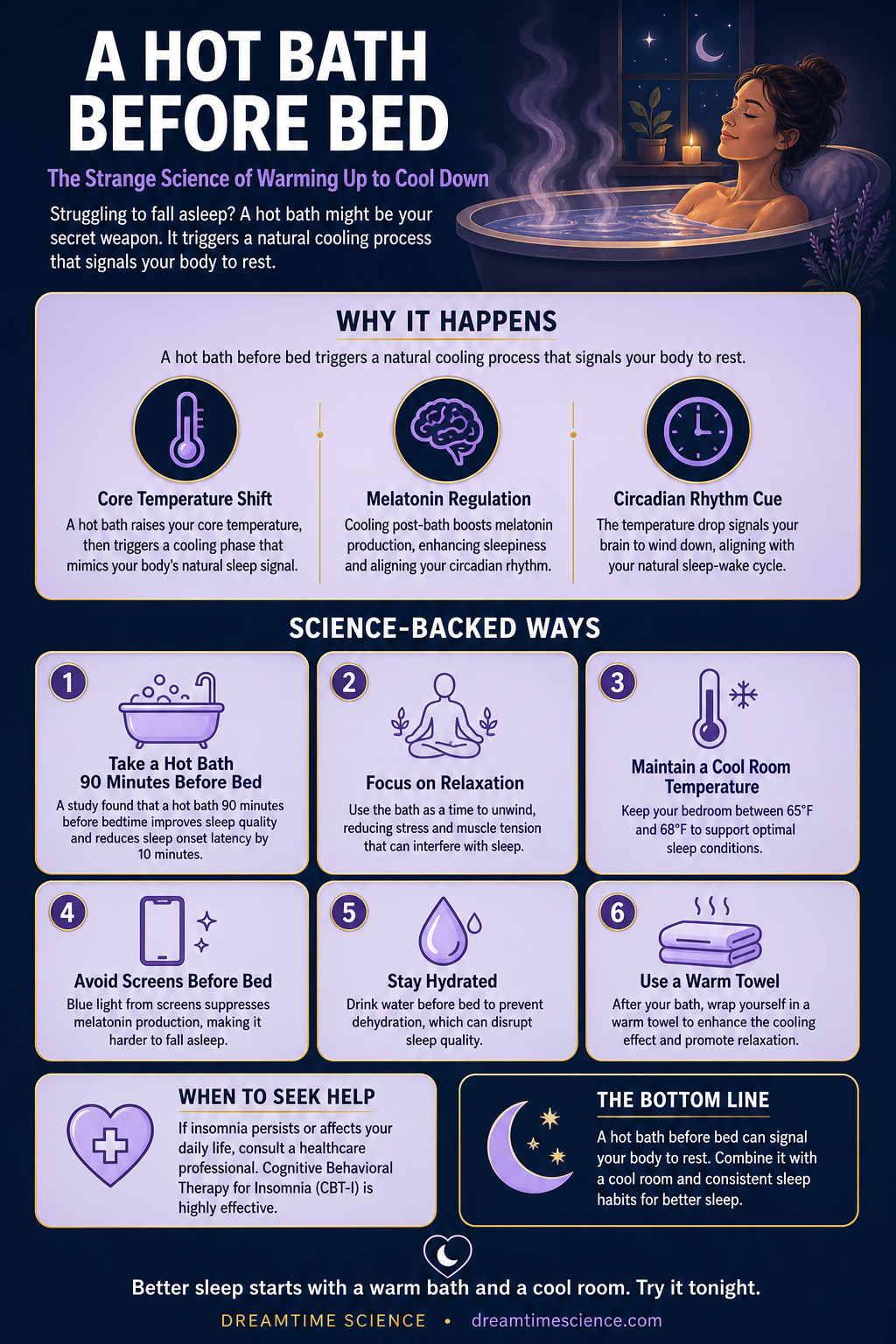
A hot bath before bed can improve sleep quality by leveraging the body’s natural thermoregulatory processes. The practice initiates a cascade of physiological events that ultimately encourage sleep onset.
Why a Hot Bath Before Bed Works: The Core Temperature Connection
The sensation of warmth from a hot bath is not merely a comfort measure; it fundamentally alters the body’s core temperature. Immersing oneself in warm water causes a rise in core body temperature, initiating a process known as passive body heating. This artificial warming has a surprising final effect: it triggers a subsequent cooling period that aligns with the body's natural sleep cycle. This warm-to-cool transition mimics the natural temperature dip that signals bedtime to the brain.
The Vasodilation Mechanism and Heat Transfer
The increase in core body temperature during a bath results from vasodilation, the widening of blood vessels, particularly those near the skin’s surface []. Vasodilation increases blood flow to the periphery, effectively transferring heat from the core to the skin. When exiting the bath, this warmed blood radiates heat into the cooler surrounding air. The body’s efforts to dissipate this excess heat create a core temperature decrease, critical for initiating sleep. This controlled cooling is more consistent and predictable than spontaneous temperature fluctuations.
The Role of Melatonin Production in Sleep Regulation
The cooling phase following a warm bath is strongly linked to increased melatonin production. Melatonin is a hormone crucial for regulating the sleep-wake cycle. While melatonin is vital, its effective release depends on core body temperature. As the body cools following a bath, conditions become optimal for melatonin synthesis. This boost in melatonin signals the brain to prepare for sleep, promoting drowsiness and reducing the time it takes to fall asleep.
Optimizing Bath Temperature and Timing for Sleep Benefits
The temperature of the bath water and the timing relative to bedtime are important variables. Water temperatures between 100°F (37.8°C) and 104°F (40°C) are optimal for triggering a significant core temperature rise without causing discomfort or adverse reactions. Taking a bath approximately 90-120 minutes before bedtime allows sufficient time for the core temperature to elevate and then gradually decrease as sleep approaches. The cooling period is the key; inadequate time allows insufficient temperature decline for optimum results.
The Neurological Impact: Parasympathetic Nervous System Activation
Beyond the physiological changes, a warm bath before bed positively influences the nervous system. The warmth and comfort experienced during bathing stimulate the parasympathetic nervous system, often referred to as the "rest and digest" system. Activating this system promotes relaxation, reduces heart rate and blood pressure, and alleviates muscle tension – all conditions conducive to sleep. This neurological shift reinforces the body's natural inclination towards rest.
Supporting the Sleep-Wake Cycle with a Regular Routine
The consistent practice of taking a bath before bed reinforces the body's sleep-wake cycle, or circadian rhythm. This ritualistic behavior creates an association between warmth, relaxation, and sleep in the brain. Over time, this association strengthens, meaning the mere act of preparing for a bath can trigger feelings of drowsiness and readiness for bed. This conditioning effect can be exceptionally beneficial for individuals struggling with inconsistent sleep patterns.
References
- [] *Currently, there are no cited sources for this article.*
Frequently Asked Questions
What is the difference between a bath and a shower for sleep?
While a hot shower can provide similar benefits, a bath is generally more effective due to the prolonged exposure to warmth and the resulting greater increase in core body temperature. The extended immersion in water allows for a more significant thermoregulatory shift, enhancing the subsequent cooling effect and melatonin production.
Is it safe to take a hot bath every night?
For most individuals, a hot bath every night is safe. However, individuals with cardiovascular conditions, low blood pressure, or skin sensitivities should consult a physician before making it a routine practice. Pregnant individuals should also consult with their healthcare provider.
Can I add anything to my bath to enhance the sleep-promoting effects?
Adding Epsom salts (magnesium sulfate) to the bath may offer additional relaxation benefits due to magnesium’s role in muscle function and nerve relaxation. Lavender essential oil is also commonly added for its calming aromatic properties. However, focus on maintaining a comfortable water temperature as the primary driver of sleep benefits.
How long does the benefit of a hot bath last?
The sleep-promoting effects of a hot bath typically last for several hours. The greatest impact is generally experienced within the first few hours after exiting the bath, as the body is actively cooling. Maintaining a cool and dark sleep environment further supports these effects.
What if I get cold *during* the bath?
The goal isn't to become uncomfortably hot, but to elevate core temperature. If you begin to feel chilled during the bath, reduce the water temperature slightly or shorten the duration. It is more important to achieve a comfortable warmth that promotes relaxation rather than an extreme temperature that causes discomfort.
Tonight's Listening
 Tonight's episodeThe Invisible Threads of Information
Fall Asleep to a Science Lecture
Put tonight's reading into practice — pick a gentle, softly-narrated episode and let the Professor talk you to sleep.
Tonight's episodeThe Invisible Threads of Information