← Back to Articles
Sleep Environment
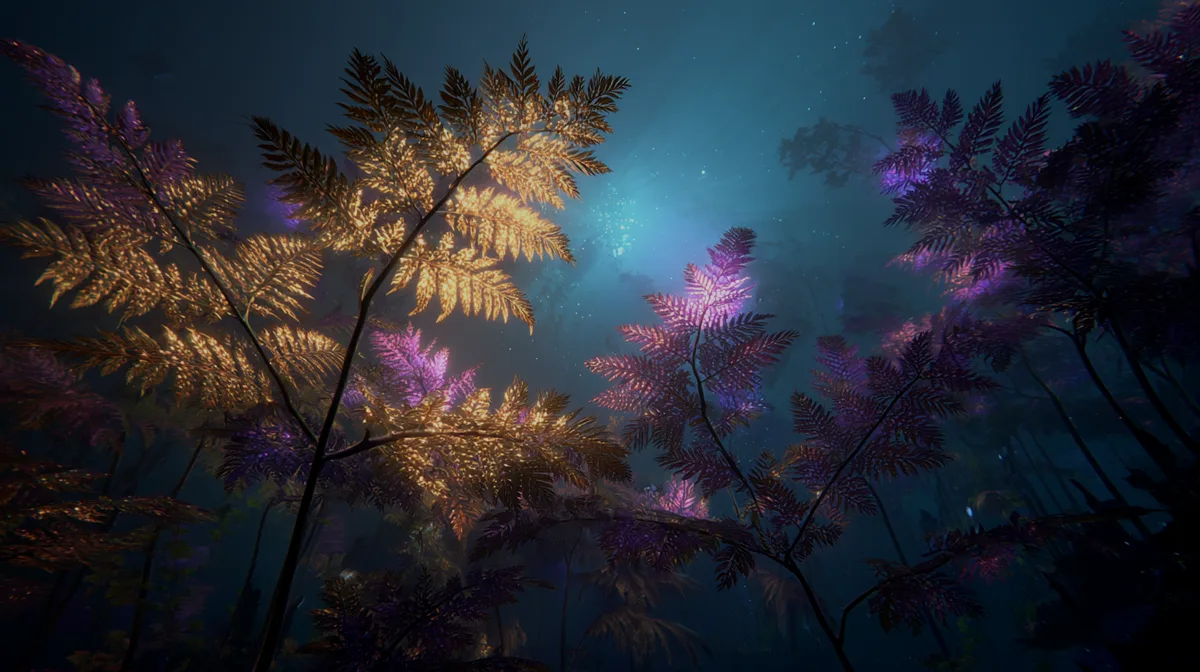
The short answer: People sleep an average of 20 minutes longer and experience 18% more deep sleep in natural environments compared to urban settings. Reduced artificial light, lower noise pollution, cooler temperatures, and exposure to natural soundscapes like wind and flowing water all contribute. Forest bathing research shows that even short nature exposure reduces cortisol and sympathetic nervous activity, both of which directly improve sleep quality.
Imagine two nights.
One: A forest cabin. No streetlights. No traffic hum. Only wind and distant water.
Two: A city apartment. LED glow through the curtains. Sirens in the distance. Subtle vibration from passing buses.
Does sleep in nature truly differ from sleep in urban environments — scientifically?
Or is it just romantic nostalgia?
Modern research suggests the difference is real — and measurable. Let's dive into the science and explore how our surroundings impact our sleep.
Key takeaways
- Sleep patterns are often disrupted by artificial light in urban areas.
- Exposure to unpredictable urban noises can lead to fragmented sleep.
- Air pollution in cities may negatively impact sleep quality and efficiency.
- Feeling safe and calm, often associated with nature, can lower stress and improve sleep.
- Even small shifts toward natural light-dark cycles can help your body rest.
Light Exposure: Artificial Glow vs. Natural Darkness
In cities, artificial light extends day into night.
Streetlights.
Billboards.
Screens.
Ambient skyglow.
Even low levels of nighttime light can delay melatonin release and shift circadian timing. According to a study published in "Current Biology" in 2013, exposure to artificial light in urban settings can delay the onset of melatonin, the hormone responsible for regulating sleep-wake cycles, disrupting our internal clock.
In contrast, a study from the University of Colorado Boulder placed participants in a natural camping environment for one week. Without artificial light, their circadian rhythms shifted earlier, aligning more closely with solar sunset and sunrise. Melatonin began rising earlier, sleep onset moved earlier, and circadian timing strengthened. Nature, it seems, helps re-synchronize the internal clock.
What This Means for You
If you're struggling with sleep in an urban setting, consider adopting practices that mimic natural light cycles. Dimming lights in the evening and reducing screen time can help align your body's internal clock with the natural day-night rhythm. For more tips, see our article on 7 Science-Backed Ways to Beat Insomnia Tonight.
Sound: Mechanical Noise vs. Organic Soundscapes
Urban noise includes:
Traffic
Sirens
HVAC systems
Distant voices
These sounds are unpredictable and irregular. Research from the World Health Organization links chronic nighttime noise exposure to sleep fragmentation and increased cardiovascular stress markers. The unpredictable nature of urban noise can lead to micro-awakenings, disrupting the continuity and quality of sleep.
In contrast, natural sounds — wind, rain, insects — tend to be rhythmic, broadband, and predictable. A study published in "Scientific Reports" in 2017 found that natural ambient sounds may enhance parasympathetic (calming) nervous system activity, supporting a more restful sleep experience.
What This Means for You
If city noise is a challenge, consider using white noise machines or apps that simulate natural soundscapes. These tools can mask disruptive urban sounds, promoting a more peaceful sleep environment. Learn more about creating an ideal sleep setting in Temperature, Darkness, and Sound: The Ideal Sleep Environment (By the Numbers).
Air Quality and Sleep Physiology
Urban air often contains higher levels of particulate pollution. Emerging research suggests poor air quality may contribute to airway irritation and subtle sleep disruption. According to a study in the "American Journal of Respiratory and Critical Care Medicine" in 2017, exposure to higher levels of air pollution is associated with reduced sleep efficiency.
Nature environments typically offer:
Cleaner air
More negative ions
Cooler nighttime temperatures
Cooler temperatures support deeper sleep, particularly slow-wave sleep. The presence of negative ions, abundant in natural settings like forests and waterfalls, has been linked to improvements in mood and sleep quality.
What This Means for You
Improving air quality at home can enhance sleep. Consider using air purifiers or keeping windows open when possible to ensure better air circulation. Cooler room temperatures also support better sleep; aim for a bedroom temperature between 60-67°F (15-19°C).
Psychological Safety and Nervous System Tone
There's another factor that's harder to quantify: perceived safety. Many people report feeling calmer in natural settings. Lower stress hormones correlate with improved sleep onset. Forest exposure has been associated with reduced cortisol levels in multiple Japanese “forest bathing” studies, highlighting the calming effect of nature on the nervous system.
When the nervous system feels safe, hyperarousal decreases — which matters greatly for insomnia. The Science of Why You Can't Sleep: Understanding the Insomnia Cycle delves deeper into the impact of stress on sleep.
What This Means for You
Incorporating elements of nature into your urban life, such as indoor plants, natural images, or even short walks in local parks, can help reduce stress and promote a sense of calmness conducive to better sleep.
Is Urban Sleep Always Worse?
Not necessarily. Urban environments also offer:
Climate control
Comfortable bedding
Noise masking tools
Routine stability
Sleep quality depends on multiple factors. But the data suggests that natural light-dark cycles and reduced artificial stimulation help regulate circadian rhythm more effectively. Nature simplifies inputs. Urban life amplifies them.
Conclusion: Returning to the Light-Dark Rhythm
Sleep in nature vs. urban environments reveals something simple: your biology evolved under stars, not streetlights. When artificial cues fade, internal rhythms strengthen. You don’t need to live in a forest to benefit. But small shifts toward natural timing — darker nights, softer sounds — gently tell your nervous system: It’s safe to rest.
Want to experience these sleep science concepts with our soothing narration and ambient soundscapes? Check out our latest video on YouTube @dreamtimescience.
Frequently Asked Questions
Does camping improve sleep?
Short-term camping without artificial light often strengthens circadian alignment by resetting the internal clock to correspond more closely with natural light-dark cycles.
Is city noise harmful long-term?
Chronic high noise exposure is associated with fragmented sleep and stress responses, which can lead to long-term health effects such as increased risk of cardiovascular diseases.
Can I simulate nature sleep at home?
Yes — dim lights in the evening, reduce noise unpredictability with sound machines, and use natural ambient sounds to mimic a more peaceful environment.
Is darkness really that important?
Yes. Darkness is the primary cue for melatonin release, signaling your body that it’s time to sleep. Consistent exposure to darkness at night helps maintain a regular sleep-wake cycle.
Why do I sleep better on vacation?
Reduced stress, natural light exposure, and altered routines during vacations can align your sleep patterns more closely with natural rhythms, leading to improved sleep quality.
Tonight's Listening
 Tonight's episodeHow Gravity Can Bend Time: The Cosmic Clock Puzzle
Fall Asleep to a Science Lecture
Put tonight's reading into practice — pick a gentle, softly-narrated episode and let the Professor talk you to sleep.
Tonight's episodeHow Gravity Can Bend Time: The Cosmic Clock Puzzle
Related articles

Remedies & Relaxation
White Noise and Sleep: Does Background Sound Help or Hurt?
White noise can potentially improve sleep by masking distracting sounds and creating a calming auditory environment. Studies have shown it can help people fall asleep…

How Sleep Works
Sleep Efficiency: Maximizing the Quality of Your Sleep Hours
To maximize the quality of your sleep, focus on sleep efficiency, which is the ratio of time asleep to time in bed. Aiming for 85% or higher can significantly improve…

Sleep, Mind & Mood
The History of Sleep Science: From Freud to Modern Brain Imaging
Sleep science began with Freud's dream interpretation in 1899, but the field transformed in 1953 when Aserinsky and Kleitman discovered REM sleep using…