
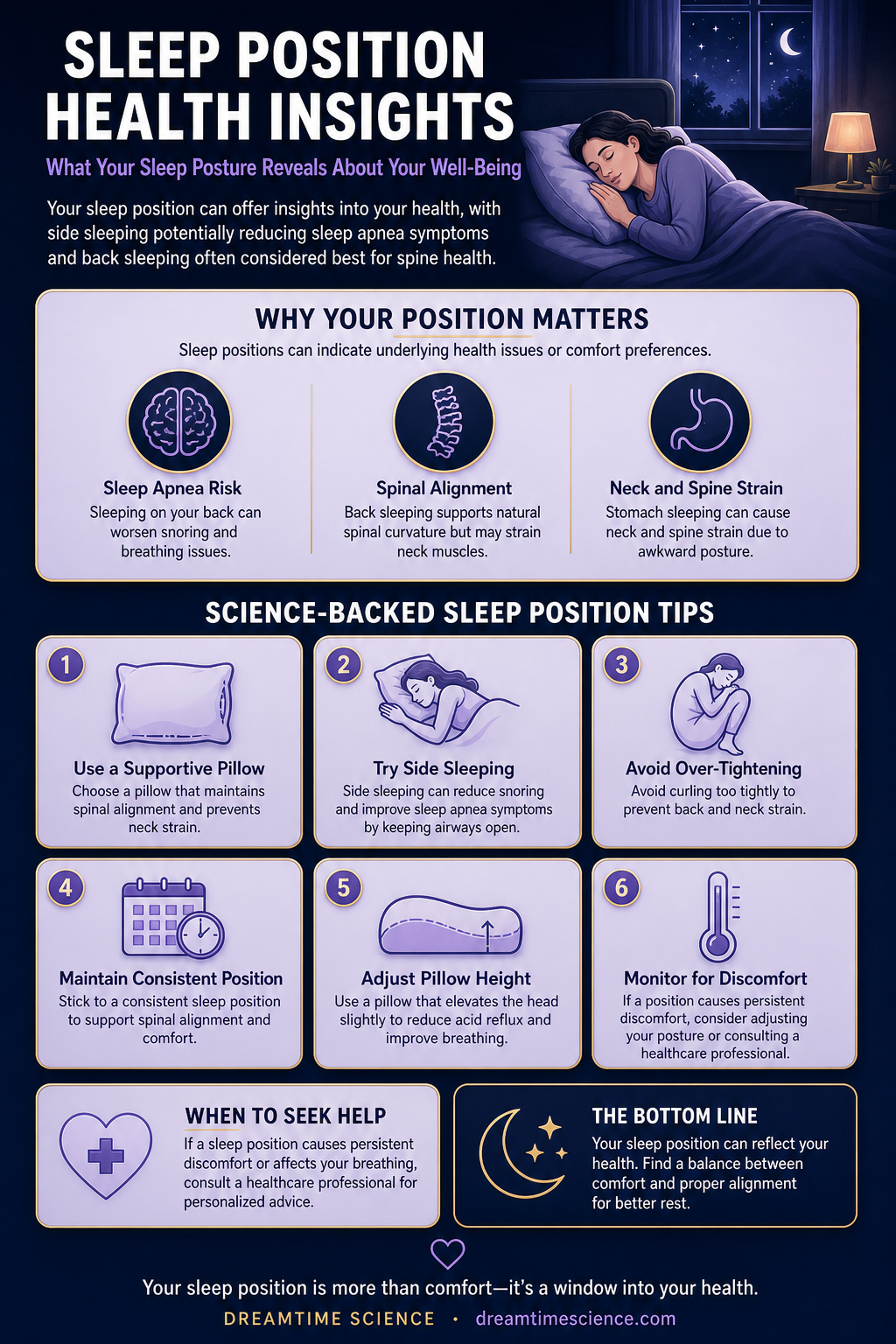
The short answer: Your sleep position can offer insights into your health, with side sleeping potentially reducing sleep apnea symptoms and back sleeping often considered best for spine health. However, sleeping on your back can worsen snoring, while stomach sleeping may strain your neck and spine. Ultimately, the most beneficial position balances comfort and supports proper alignment, often with the help of supportive pillows.
Your sleep position offers valuable clues about your physical well-being; side sleeping is frequently associated with reduced sleep apnea symptoms, while back sleeping is often considered optimal for spinal health. However, these positions are not universally superior, and individual comfort and existing health conditions are key determinants of benefit.
Most individuals establish a preferred sleep position, often unconsciously, and these habits can reflect underlying physiological factors and impact overall health. While comfort is paramount, awareness of how these positions affect bodily systems allows for informed adjustments to improve sleep quality and mitigate potential issues.
Key takeaways
- Side sleeping is common and may ease snoring or heart strain.
- Back sleeping supports spinal alignment but can worsen snoring.
- Stomach sleeping is generally discouraged due to spinal and neck strain.
- Shifting sleep positions throughout the night is a normal, healthy process.
- Comfort is key when choosing a sleep position; prioritize pain relief.
Does Your Position Matter?
While personal preference plays a significant role, sleep position can demonstrably impact various aspects of health, including respiratory function, musculoskeletal alignment, and circulation. The body’s natural inclination toward certain positions may indicate attempts to alleviate discomfort or optimize physiological processes.
Historical Perspectives on Sleep Postures
Throughout history, cultures have attributed meaning to sleep positions beyond mere comfort. In Ayurvedic medicine, originating in ancient India, sleeping on the left side is believed to facilitate digestion and promote heart health, potentially due to gravity’s effects on gastric emptying and lymphatic drainage. These historical views, while lacking contemporary rigorous scientific backing, highlight a longstanding recognition of the interconnectedness between posture and well-being.
Side Sleeping: Benefits and Considerations
Side sleeping is the most commonly adopted position, reported by approximately 60% of adults. This preference may be linked to several health benefits. Side sleeping can help maintain open airways, potentially reducing the severity of snoring and obstructive sleep apnea. The position also minimizes pressure on the heart, which may be beneficial for individuals with cardiovascular conditions.
However, side sleeping isn’t without its potential drawbacks. Curling tightly can induce strain in the back and neck, particularly if unsupported. Individuals may also experience nerve compression in the shoulder or hip. Strategic use of pillows—between the knees to align the spine, or cushioning the neck—can mitigate these risks.
Back Sleeping: Spinal Alignment and Snoring
Back sleeping is often recommended for optimal spinal health, as it allows for even weight distribution and minimizes pressure on the musculoskeletal system. This position promotes neutral alignment of the vertebrae, reducing the potential for back pain and muscle stiffness. Studies suggest this can be particularly helpful for those with lower back issues.
Conversely, back sleeping can exacerbate snoring and sleep apnea. In this position, the tongue and soft palate are more likely to relax and obstruct the airway, leading to breathing interruptions. Adjustments, such as elevating the head slightly with a pillow, or considering positional therapy, can help to improve airflow.
Stomach Sleeping: The Least Recommended Position
Stomach sleeping is the least common position, favored by a minority of sleepers. While it may provide a sense of security, it often presents challenges for spinal alignment and neck comfort. Maintaining this position requires significant rotation of the head, which can lead to neck pain and muscle imbalances. The spinal curvature is also compromised, contributing to lower back discomfort.
Despite these drawbacks, some individuals find stomach sleeping advantageous in reducing snoring. However, the potential long-term risks to the spine and neck generally outweigh any perceived benefits.
Physiological Movements During Sleep
Throughout the night, most individuals transition between multiple sleep positions. This dynamic movement is a normal physiological process, serving to redistribute pressure, promote circulation, and prevent skin breakdown. It is not indicative of restlessness or poor sleep quality. Shifting positions allows for varying muscle engagement and reduces the sustained impact on specific joints and tissues.
Finding Your Optimal Sleep Position
Ultimately, the “best” sleep position is subjective and depends on individual needs, health conditions, and comfort levels. Prioritizing comfort is essential; a position that causes pain or restricts breathing is unlikely to be beneficial. Experimentation with pillows—varying their height, firmness, and placement—can help to identify the most supportive and comfortable configuration.
Frequently Asked Questions
What is the healthiest sleep position for most people?
Side sleeping is often considered the healthiest position overall due to its benefits for breathing and cardiovascular health. However, considering your individual health needs and any existing conditions—such as back pain or snoring—is crucial when determining the best position for you.
Can my sleep position impact my dream recall?
While sleep position does not directly influence the content of dreams, some research suggests that sleeping on the stomach might be associated with more vivid or disturbing dreams. This correlation is less established than the links between position and breathing, but it may relate to alterations in respiratory function.
Is it bad to change positions frequently during sleep?
No, changing positions is perfectly normal and is often beneficial for circulation and preventing pressure sores. Your body naturally adjusts throughout the night to optimize comfort and ensure adequate blood flow.
How can I alleviate snoring while back sleeping?
Elevating your head with a supportive pillow is one strategy. Positional therapy, which involves techniques to encourage side sleeping, can also be effective. Consulting with a healthcare professional to rule out other causes of snoring is recommended.
What resources are available to help me find a more comfortable sleep position?
Physical therapists and sleep specialists can provide personalized recommendations based on your body type and health needs. Trial and error with different pillow configurations is often the most effective approach.
Fall Asleep to a Science Lecture
Put tonight's reading into practice — pick a gentle, softly-narrated episode and let the Professor talk you to sleep.
 Tonight's episodeDNA's Silent Blueprint: Uncovering Life’s Deepest Secrets
Related articles

Does Melatonin Actually Work? What Science Says About This Popular Supplement
Melatonin is a timing signal, not a sedative. It works best for circadian misalignment such as jet lag and delayed sleep phase, where it can shift sleep onset by…

Sleep and Heart Health: How Rest Protects Your Cardiovascular System
Insufficient sleep significantly impacts cardiovascular health. Individuals with chronic insomnia face a 45% increased risk of cardiovascular diseases, while…

Snoring Science: Why You Snore and What It Means
Snoring arises from vibrations in the soft tissues of the throat due to constricted airflow, often stemming from nasal congestion, a relaxed tongue, or a slack jaw.…