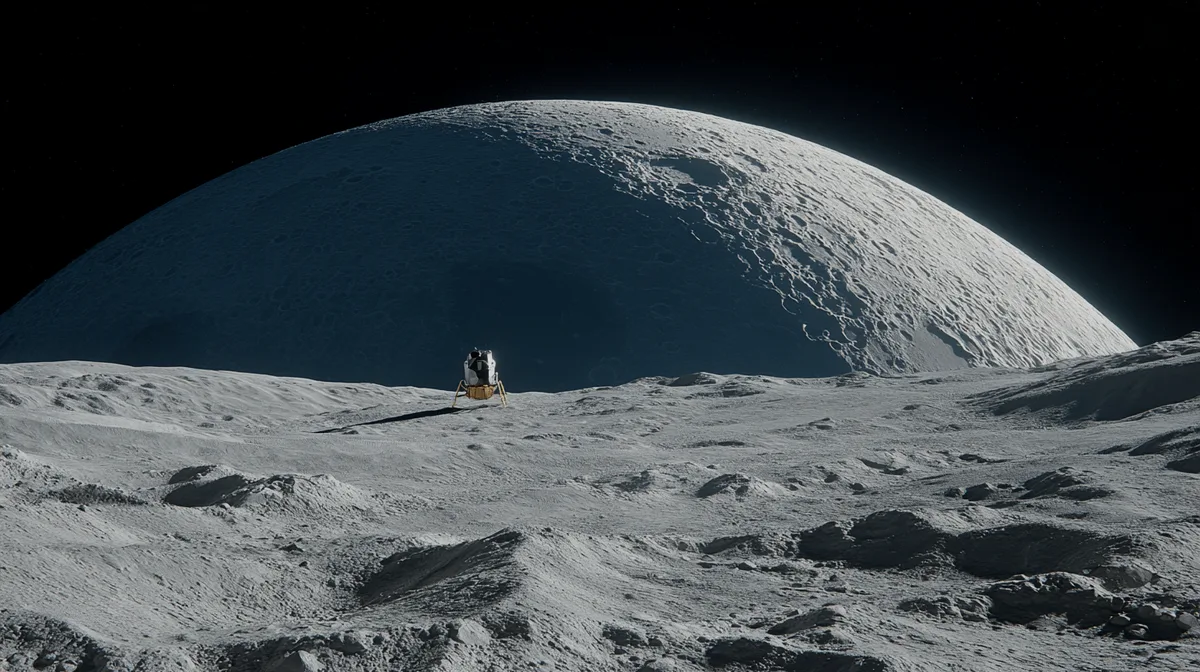
The full moon has long been shrouded in mystery, often associated with werewolves, madness, and sleepless nights. This fascination extends to the question: does the full moon really affect your sleep? As research into sleep science advances, many are curious about whether the lunar phases, particularly the full moon, might exert any real influence on our sleep patterns.
Key takeaways
- Full moon brightness can potentially disrupt sleep by suppressing melatonin production.
- Some studies suggest a link between full moons and reduced sleep duration and deep sleep stages.
- Personal beliefs and cultural narratives can influence how people perceive and report sleep disturbances.
- Maintaining a consistent sleep schedule and using light-blocking techniques can improve sleep quality.
- Future research aims to explore the subtle biological mechanisms that might connect lunar cycles and sleep.
Understanding the Lunar Cycle
The moon's cycle spans approximately 29.5 days, during which it transitions through different phases, from a new moon to a full moon. These visible changes have fascinated humans for centuries, inspiring countless myths and beliefs. The notion that the full moon might affect sleep isn't new, but modern science is now examining these age-old beliefs with a more critical eye.
One possible explanation for any sleep disruptions during a full moon is the increased brightness. Before the advent of artificial lighting, the full moon's light could have been significant enough to impact sleep. Bright light is known to suppress melatonin, a hormone produced by the pineal gland that regulates sleep-wake cycles. When melatonin levels drop, it can become harder to fall asleep and stay asleep, as discussed in The Role of the Pineal Gland: Understanding Melatonin Production.
What This Means for You
If you're sensitive to light, the full moon's brightness might be affecting your sleep more than you realize. Consider using blackout curtains or a sleep mask to minimize light exposure. These small changes can help maintain your melatonin levels, promoting better sleep.
Moon Phases and Sleep Patterns
Numerous studies have explored the connection between moon phases and sleep. For instance, a study published in Current Biology in 2013 found that participants experienced an average of 20 minutes less sleep during the full moon. The study also observed a reduction in deep sleep stages by 30% (Cajochen et al., 2013). Deep sleep is essential for the body's repair and growth processes, and a decrease could lead to waking up feeling less refreshed. For more on the importance of deep sleep, see Deep Sleep vs Light Sleep: Which Matters More?.
However, not everyone is affected equally. Individual differences in light sensitivity and other environmental factors play a role in how the full moon might impact sleep. This variability makes it difficult to draw definitive conclusions about the full moon's effects.
What This Means for You
If you notice changes in your sleep during the full moon, track your sleep patterns and see if they align with the lunar cycle. This can help you identify whether the moon truly impacts your sleep or if other factors are at play.
Cultural Beliefs and Personal Perceptions
Cultural beliefs have long emphasized the full moon's impact on human behavior, including sleep. Many cultures have linked the moon to changes in behavior, and these stories often influence how people perceive their sleep around the full moon. This psychological aspect is known as the nocebo effect, where expecting a negative outcome can make it more likely to occur.
Personal perceptions are powerful. If you believe the full moon affects your sleep, you're more likely to report disruptions, even if scientific evidence is mixed. Anecdotal experiences and cultural stories can reinforce this belief, leading to self-fulfilling prophecies.
Scientific Studies and Mixed Results
The scientific community has shown interest in the full moon's effect on sleep, but results have been mixed. Some studies, like the one mentioned earlier, suggest a connection between the full moon and sleep changes, while others find no significant impact. This inconsistency can be frustrating for those seeking clear answers.
One reason for these mixed results is the variation in study design and participant demographics. Factors like environment, individual habits, and psychological influences contribute to sleep patterns, making it challenging to isolate the moon's impact. For instance, a 2014 study in Sleep Medicine Reviews emphasized the complexity of isolating lunar effects due to these confounding factors.
Researchers often call for more extensive studies to better understand any subtle influences the full moon might have on sleep. Larger sample sizes and more controlled environments could help clarify these potential effects.
Practical Tips for Better Sleep During a Full Moon
If you find your sleep disrupted by the full moon, consider these steps:
- Block out light: Use blackout curtains or a sleep mask to minimize light exposure.
- Maintain a regular sleep schedule: Consistency helps regulate your body's internal clock, as discussed in Circadian Rhythms 101: How Your Body's Internal Clock Controls Sleep.
- Relaxation techniques: Engage in deep breathing or meditation before bed to calm your mind. For more on breathing techniques, see Breathing Techniques for Sleep: How Your Breath Affects Rest.
Historical Context of Lunar Influence
Historically, the moon has been a symbol of mystery and influence across various cultures. Ancient civilizations, such as the Greeks and Romans, often associated the moon with deities that governed the night and sleep. The lunar calendar was used to guide agricultural practices, religious ceremonies, and even medical treatments. This historical context highlights how deeply ingrained the moon's influence is in human culture, which may contribute to the persistence of beliefs regarding its impact on sleep.
Recent Research and Future Directions
Recent advancements in sleep research continue to explore the potential effects of the lunar cycle on sleep. A study published in 2021 utilized polysomnography to monitor sleep in controlled environments, aiming to minimize external variables. Although the study found some correlation between lunar phases and sleep disturbances, the authors noted that the effects were subtle and varied significantly among individuals. Future research may focus on understanding the biological mechanisms that could explain these findings, such as the role of circadian rhythms and genetic predispositions.
Conclusion
The relationship between the full moon and sleep remains a topic of fascination and ongoing study. While some evidence points to a possible connection, results are varied and influenced by numerous factors. Understanding your own sleep patterns and taking proactive steps can help you rest better, whether the moon is full or not.
Want to experience these sleep science concepts with our soothing narration and ambient soundscapes? Check out our latest video on YouTube @dreamtimescience.
Frequently Asked Questions
Does the full moon affect everyone the same way?
No, individual sensitivity to light and personal beliefs can influence how the full moon affects sleep. Some people may experience more disruption, while others notice no change. Factors like genetic predisposition and circadian rhythm alignment can also play a role.
Is there scientific evidence that the full moon affects sleep?
Some studies, like the 2013 study in Current Biology, suggest a connection, but results are mixed. Other studies find no significant impact, highlighting the need for further research. The variability in findings underscores the complexity of isolating the moon's influence from other factors.
Can cultural beliefs about the full moon influence sleep?
Yes, cultural beliefs and personal perceptions can lead to a nocebo effect, where expecting sleep disruptions makes them more likely to occur. This psychological influence can be powerful enough to manifest physical symptoms, even in the absence of a direct lunar effect.
What are some practical steps to improve sleep during a full moon?
Consider using blackout curtains or a sleep mask to block light, maintain a regular sleep schedule, and practice relaxation techniques before bed. Additionally, reducing screen time before sleep can help mitigate the effects of both artificial and lunar light on melatonin production.
Are there any other factors that might influence sleep during a full moon?
Yes, factors like environment, individual habits, and psychological influences can all impact sleep, making it challenging to isolate the moon's effects. Environmental noise, room temperature, and personal stress levels are also important considerations.
Fall Asleep to a Science Lecture
Put tonight's reading into practice — pick a gentle, softly-narrated episode and let the Professor talk you to sleep.
 Tonight's episodeHow Barcodes Translate Lines into Data
Related articles

Sleep Debt and Productivity: How Rest Hours Affect Your Work Performance
Sleep debt accumulates when you consistently miss out on the recommended 7-9 hours of sleep each night, creating a deficit that impairs cognitive functions. Research…

Blue Light Beyond Screens: Natural Sources and Your Sleep
Daylight is the strongest blue light most people ever see, and it sets the body clock through melanopsin cells in the eye. Morning daylight pulls sleep earlier,…
Bedroom Air Quality: How Humidity, CO2, and Plants Affect Sleep
The air in your bedroom significantly impacts how well you sleep each night.