
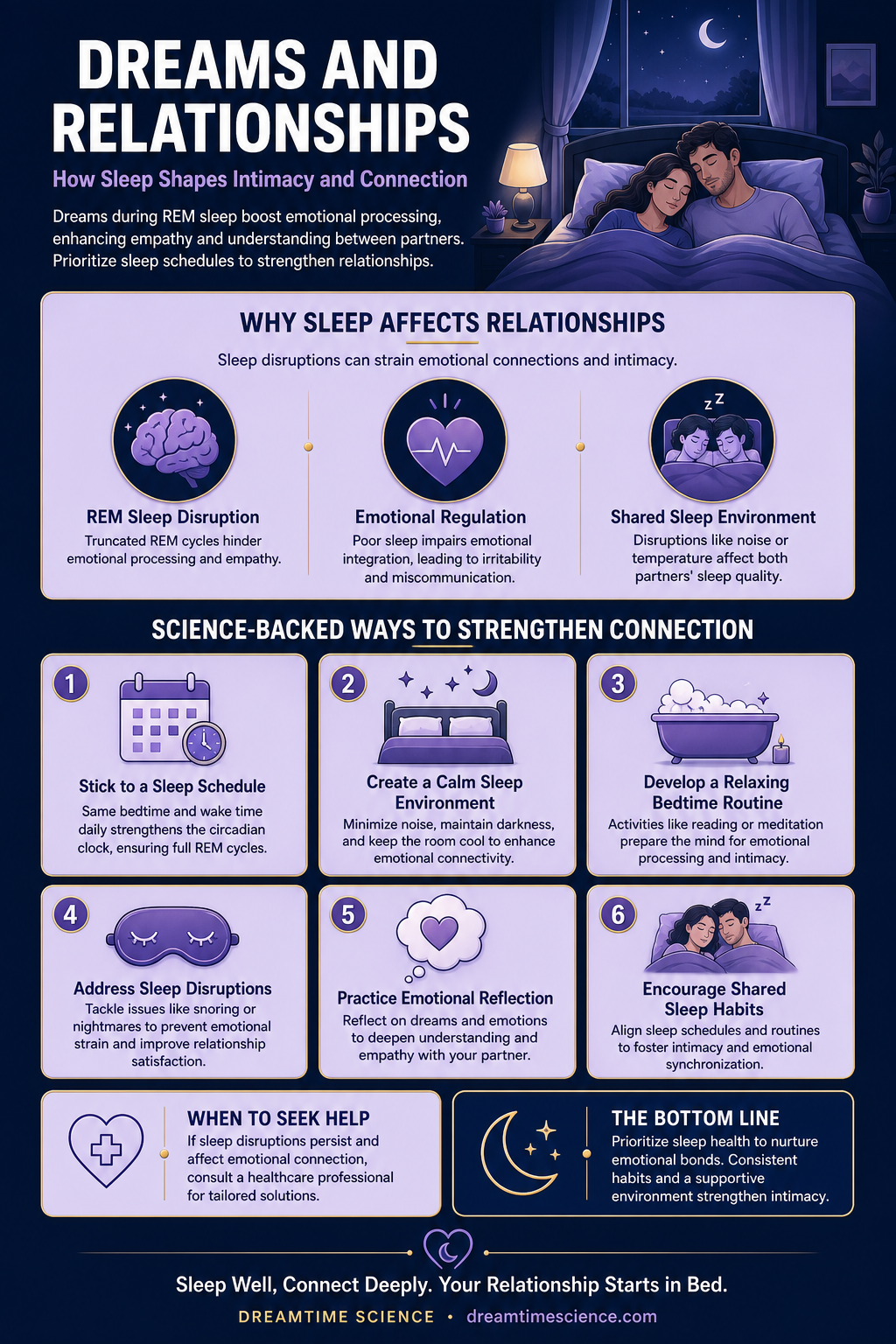
The short answer: Dreams, particularly those occurring during REM sleep, play a significant role in relationship health. A 2017 study in the Journal of Neuroscience found that REM sleep enhances emotional processing, increasing empathy and understanding between partners. Prioritizing consistent sleep schedules and addressing sleep disruptions like snoring or nightmares can therefore strengthen connection and improve overall relationship satisfaction.
Picture this: nestled into bed, the day’s stressors slowly evaporating as you drift into sleep. Next to you, your partner breathes softly, a comforting reminder of shared space. But what’s happening beneath the surface of this tranquil scene? How do dreams and sleep whisper their secrets to our waking relationships?
The Invisible Connection
We rarely consider how sleep, that seemingly passive state, weaves the threads of connection tighter. Yet, it does. Sleep isn’t just restorative for the body; it’s a complex dance where our dreams play a pivotal role in nurturing intimacy. When your mind surrenders to dreams, it sorts through emotions, memories, and experiences. This nightly processing guides how you’ll connect and communicate with your partner tomorrow. It's no surprise, then, that dreams hold keys to our emotional intelligence.
The Dance of REM and Emotions
REM sleep, where the most vivid dreams unfurl, is crucial for emotional regulation. It's the brain's nightly theater — rehearsing fears, desires, and, sometimes, relationship conflicts. Ever woken up feeling closer to your partner after a dream? That’s REM magic in action. A 2017 study in the Journal of Neuroscience found that REM sleep enhances emotional processing, which can increase empathy and understanding in relationships.
During REM, the brain doesn’t just watch these dream scenes; it integrates the emotions woven into them. This can lead to waking up with a newfound understanding or perspective. It's like having an invisible counselor guiding you while you sleep. But there’s a flip side. Poor sleep truncates REM cycles, leaving emotional threads untied. Those nights of tossing and turning? They can spill over into your day, causing irritability and miscommunication with loved ones.
What This Means for You
So what can you do? Prioritize consistent sleep schedules to avoid disrupting your REM cycles. Consider exploring relaxing bedtime routines to enhance emotional connectivity, as detailed in The Perfect Bedtime Routine According to Sleep Scientists. Creating a sleep environment that minimizes disruptions can also help, as explained in Temperature, Darkness, and Sound: The Ideal Sleep Environment (By the Numbers).
The Power of Shared Sleep
It’s not just dreams that matter; how we sleep together affects our bonds too. Sharing a bed can be a silent conversation, a non-verbal affirmation of trust and safety. The warmth of a partner’s body, the synchrony of breath — these are powerful non-verbal cues that strengthen connection. A study published in Sleep Medicine Reviews in 2016 found that couples who synchronize their sleep patterns tend to report higher relationship satisfaction. This isn’t just about going to bed at the same time; it’s about harmonizing your sleep rhythm. Like birds in a flock, moving in tandem, even while unconscious, can bring partners closer.
Addressing Sleep Disruptions
But snoring, restlessness, and divergent sleep schedules can strain this harmony. Addressing these issues isn’t just about sleep health; it’s about nurturing intimacy. Consider exploring breathing techniques to reduce snoring or anxiety that disrupts sleep, as discussed in Breathing Techniques for Sleep: How Your Breath Affects Rest.
Nightmares and Nightly Narratives
Sometimes, dreams take darker turns. Nightmares can be disruptive and emotionally intense. They’re the brain’s way of wrestling with fear — often reflecting unresolved anxieties. In relationships, sharing these dreams can foster deeper understanding. Discussing a particularly haunting dream can open doors to conversations about fears and feelings that might otherwise remain hidden. It’s in these vulnerable moments that bonds can strengthen.
However, constant nightmares or night terrors might indicate underlying stress or trauma that needs attention. A 2018 study in Frontiers in Psychology linked frequent nightmares to higher stress levels, suggesting that addressing these issues can improve both sleep and relationship quality.
What This Means for You
If you or your partner experience frequent nightmares, consider seeking guidance from a sleep specialist. Addressing the root causes can not only lead to better sleep but also improve relationship dynamics. For more on how to tackle sleep disturbances, see Nightmares and Night Terrors: What’s the Difference?.
The Intimacy-Sleep Equation
Sleep and intimacy are intertwined in a complex equation. Quality sleep supports emotional availability, patience, and empathy — all crucial for healthy relationships. Conversely, lack of sleep can erode these qualities, leaving both partners feeling disconnected. The science is clear: consistent, restful sleep can enhance libido, deepen emotional connection, and improve relationship satisfaction. It’s a cycle of give and take — better sleep leads to better intimacy, which in turn encourages better sleep.
Creating a sleep-friendly environment is a shared responsibility. It’s about nurturing a space that both partners find restful, reducing sleep barriers, and prioritizing this essential element of health over late-night screen time or work. According to Blue Light Before Bed: Myth or Reality? What Research Actually Shows, minimizing screen exposure before bed can significantly enhance sleep quality.
Waking Up to Connection
Mornings after a good night’s sleep can feel like a reset button for relationships. As the morning light filters through the curtains, there's an opportunity — a chance to reconnect, refreshed and renewed. Engaging in morning rituals together, even something as simple as sharing coffee or a few quiet moments, can amplify this sense of connection. It’s about carrying the peace of the night into the day.
Historical Context: The Evolution of Sleep and Relationships
Throughout history, the understanding of sleep's role in relationships has evolved significantly. In ancient times, sleep was often seen as a mystical state, with dreams interpreted as messages from the divine. This perception influenced how people approached their relationships, often attributing conflicts or harmony to the messages received in dreams. As science progressed, the mystical view of sleep gave way to a more empirical understanding. The development of sleep science in the 20th century, particularly with the advent of brain imaging technologies, has illuminated the physiological and psychological impacts of sleep on relationships. This evolution underscores the importance of sleep as a foundational element of human connection, highlighting its role not just in personal health, but in the health of relationships as well.
Conclusion
Dreams and sleep hold more power over our relationships than we often acknowledge. They are the silent architects of our emotional lives, the unseen threads weaving partners closer. By embracing this understanding, we can nurture not just our sleep, but the relationships that mean the most to us.
Want to experience these sleep science concepts with our soothing narration and ambient soundscapes? Check out our latest video on YouTube @dreamtimescience.
Frequently Asked Questions
How does REM sleep affect emotional processing?
REM sleep enhances emotional processing by facilitating the integration of emotions experienced during dreams. A 2017 study in the Journal of Neuroscience found that this process can increase empathy, which is pivotal for healthy relationships.
Why do couples often report better relationship satisfaction when they synchronize sleep patterns?
Couples who harmonize their sleep patterns benefit from shared non-verbal cues such as synchronized breathing and body warmth, which foster trust and intimacy. This synchronization is akin to moving in tandem, reinforcing emotional bonds.
Can poor sleep really affect my relationship?
Yes, poor sleep can lead to irritability and miscommunication, impacting relationship quality. According to a 2016 study in Sleep Medicine Reviews, disrupted sleep patterns can affect emotional regulation, crucial for nurturing intimacy.
Are nightmares significant in relationships?
Nightmares can reflect unresolved anxieties and fears. Sharing these dreams can open conversations about underlying issues, strengthening bonds. However, frequent nightmares may indicate stress or trauma that needs attention, as noted in a 2018 study in Frontiers in Psychology.
What practical steps can improve both sleep and intimacy?
Prioritizing a consistent sleep schedule, minimizing screen exposure before bed, and creating a restful sleep environment are key. Consider relaxing bedtime routines and addressing sleep disruptions, as these actions can enhance both sleep quality and relationship satisfaction.
Fall Asleep to a Science Lecture
Put tonight's reading into practice — pick a gentle, softly-narrated episode and let the Professor talk you to sleep.
 Tonight's episodeUnveiling the Mind's Labyrinth