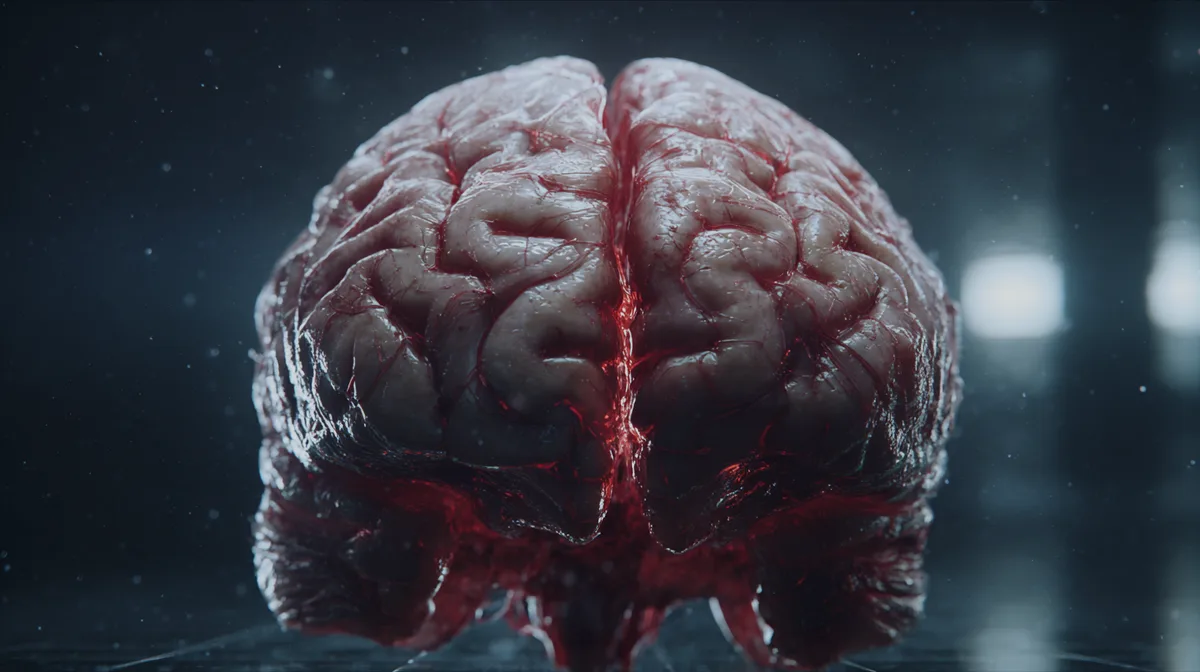
The short answer: Sleep paralysis occurs when you awaken while your body is still in REM atonia, a natural muscle paralysis that prevents acting out dreams. Approximately 7.6% of the general population experiences it at least once in their lifetime, and about 75% report hallucinations alongside the immobility. Although unsettling, sleep paralysis episodes typically last only seconds to minutes and are ultimately harmless.
Picture this: you're awake, but you can't move. Your mind is racing, your heart is pounding, and you're trapped in a bizarre twilight between dreams and reality. It's called sleep paralysis, and it's more common than you might think. According to a 2011 study in the Sleep Medicine Reviews, approximately 7.6% of the general population experiences sleep paralysis at least once in their lifetime.
Key takeaways
- Sleep paralysis happens when your brain wakes up, but your body remains paralyzed.
- This temporary paralysis is a natural safety mechanism preventing you from acting out dreams.
- Hallucinations can occur during sleep paralysis, but these are illusions created by your brain.
- Improving sleep hygiene, like a consistent schedule, can reduce the frequency of episodes.
- Sleep paralysis episodes are brief, typically lasting only seconds to minutes.
Awake Yet Frozen
Your eyes flutter open, but your body is on strike. That moment when you realize you're conscious, but your muscles refuse to cooperate. This isn't a nightmare. It's your brain playing a game of hide and seek with your consciousness.
Sleep paralysis occurs during the transition between sleep stages. Your brain is awake. Your body missed the memo. The scientific term is REM atonia, a natural mechanism designed to keep you from acting out your dreams. But sometimes, it sticks around longer than it should.
So you lie there, caught in a peculiar limbo, waiting for your body to catch up with your brain. The paralysis lifts. It always does.
What This Means for You
The key is understanding that it's temporary and harmless. Focus on calming techniques such as slow breathing or trying to move small parts of your body, like your fingers or toes. These actions can help re-engage your full motor control.
The Hallucination Enigma
As if immobility weren't enough, sleep paralysis pulls another trick from its hat: hallucinations. Shadows morph into monsters. A weight presses down on your chest. These phantom sensations are as vivid as they are unsettling.
Your mind, in the throes of disbelief, conjures specters to fill the void. It's a brain caught between worlds, still clinging to the remnants of a dream. Science suggests these hallucinations arise because parts of your brain are still in REM mode, painting dreamscapes onto the canvas of wakefulness. A 2013 study in Frontiers in Psychology found that about 75% of sleep paralysis episodes include hallucinations.
But remember, these specters are harmless. They’re illusions, mere figments of an otherwise creative mind. It’s not a haunting. It’s REM atonia lingering 30 seconds too long.
The Biology of Paralysis
Why does your body betray you like this? The answer is REM sleep. During this stage, your brain sends signals to shut down motor neurons, inducing temporary muscle paralysis. It's a safety feature, a biological seatbelt to prevent you from acting out your dreams and potentially harming yourself.
Yet sometimes, this protective mechanism doesn’t deactivate immediately upon waking. The result? You find yourself awake but unable to move. Your body takes its sweet time catching up, leaving you in a state of sleep paralysis. This phenomenon is a testament to the complexity of the human brain. A glitch in the system, not a danger sign.
What This Means for You
Managing sleep paralysis involves improving your overall sleep health. Consider implementing a consistent sleep schedule and reducing stressors before bed. Techniques such as Progressive Muscle Relaxation and creating a calming pre-sleep routine can reduce the frequency of these episodes.
Triggers and Taming Techniques
What triggers this bizarre state? Stress, irregular sleep patterns, and sleep deprivation are common culprits. Your brain, overwhelmed, loses its ability to smoothly transition between sleep and wakefulness.
Taming sleep paralysis lies in managing these triggers. Establish a regular sleep schedule, create a calming bedtime routine, and reduce stress where you can. Small changes can make a significant difference. Cognitive Behavioral Therapy for Insomnia (CBT-I) is another evidence-based approach that can help by addressing the root causes of sleep disturbances.
The Cycle of Sleep
Understanding sleep paralysis means understanding sleep itself. We cycle through different sleep stages each night, from light sleep to the deep, restorative REM stage. It's a dance of brainwaves and biological rhythms.
- Stage 1: Light sleep, a transition stage between wakefulness and sleep.
- Stage 2: Slightly deeper sleep where heart rate and breathing regulate.
- Stage 3: Deep sleep, crucial for physical recovery and growth.
- REM Stage: Dream stage, where sleep paralysis can occur.
Sleep paralysis often strikes during these transitions. It’s a misfire, a moment where one part of the brain is misaligned with the rest. Your consciousness awakens, but the body is still asleep, trying to finish its nightly dance. This discord is temporary, a fleeting dissonance in an otherwise harmonious system.
The Calm After the Storm
When sleep paralysis happens, it feels like an eternity. But in reality, it lasts only seconds to minutes. The paralysis lifts, your body comes back online, and the world makes sense once more.
What remains is the reassurance that you're not alone. Millions experience this nightly standoff with their own bodies. It's a shared human experience, an oddity of our sleep architecture.
So when it happens next, breathe. The paralysis always lifts. It’s not a haunting. It's your brain’s way of keeping you safe, even when it feels anything but.
Sleep paralysis is a curious quirk of our biology, a reminder of the sleep mysteries yet to be fully unraveled. But as eerie as it may feel, it’s a passage, not a prison. The body reawakens, and tranquility returns, like the morning sun dispelling the fog of night.
Conclusion
Sleep paralysis is a glitch -- your brain woke up, your muscles didn't. Brief, harmless, and more common than you'd think. Understanding this phenomenon can transform fear into familiarity, allowing you to focus on strategies that promote restful sleep.
Want to experience these sleep science concepts with our soothing narration and ambient soundscapes? Check out our latest video on YouTube @dreamtimescience.
Frequently Asked Questions
What causes sleep paralysis?
Sleep paralysis is caused by the brain's transition between REM sleep and wakefulness. Stress, irregular sleep schedules, and sleep deprivation can increase the likelihood of experiencing sleep paralysis.
How long does sleep paralysis last?
Sleep paralysis typically lasts a few seconds to a couple of minutes. Although it feels longer, the brain quickly resolves the misalignment between wakefulness and muscle control.
Can sleep paralysis be prevented?
Improving sleep hygiene by maintaining a regular sleep schedule, managing stress, and ensuring adequate sleep can reduce occurrences. Techniques like Cognitive Behavioral Therapy for Insomnia (CBT-I) have also proven effective.
Are the hallucinations in sleep paralysis dangerous?
No, hallucinations during sleep paralysis are not dangerous. They are a natural byproduct of the brain transitioning between REM and wakefulness and are purely visual and sensory distortions.
Does everyone experience sleep paralysis?
Not everyone experiences sleep paralysis. Studies suggest about 7.6% of the population has at least one episode in their lifetime, with varying frequencies.
Fall Asleep to a Science Lecture
Put tonight's reading into practice — pick a gentle, softly-narrated episode and let the Professor talk you to sleep.
 Tonight's episodeHow Gravity Can Bend Time: The Cosmic Clock Puzzle
Related articles

The Sandman Myth: Understanding Sleep Folklore and Sleep Paralysis Demons
Sleep paralysis is a relatively common experience, affecting approximately 8% of the general population at least once in their lifetime. It occurs when the brain…

Should You Get Out of Bed When You Can't Sleep? The 20-Minute Rule
You know the feeling all too well. The clock ticks mercilessly by, each minute heralding dawn's arrival, and yet sleep eludes you like a ghost in the night.

The Science of Why You Can't Sleep: Understanding the Insomnia Cycle
Insomnia becomes self-perpetuating because worrying about sleep triggers a stress response that makes sleep impossible. This creates a conditioned arousal where the…